For overseas businesses, from ambitious startups to established OEMs, sourcing molds from China remains a strategic move to achieve significant cost savings and access advanced manufacturing capabilities. However, the landscape is evolving rapidly. The path to a successful partnership with a mold factory in China in 2026 is less about finding the lowest quote and more about strategic procurement, rigorous verification, and seamless collaboration. This guide cuts through the noise to provide you with a professional, actionable framework for navigating the Chinese mold manufacturing sector, ensuring your project delivers on time, on budget, and to specification.
Mastering the Modern Supplier Verification Process
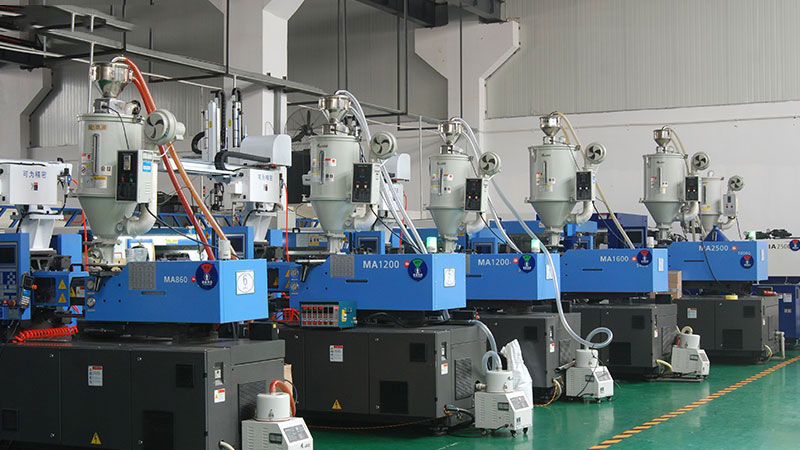
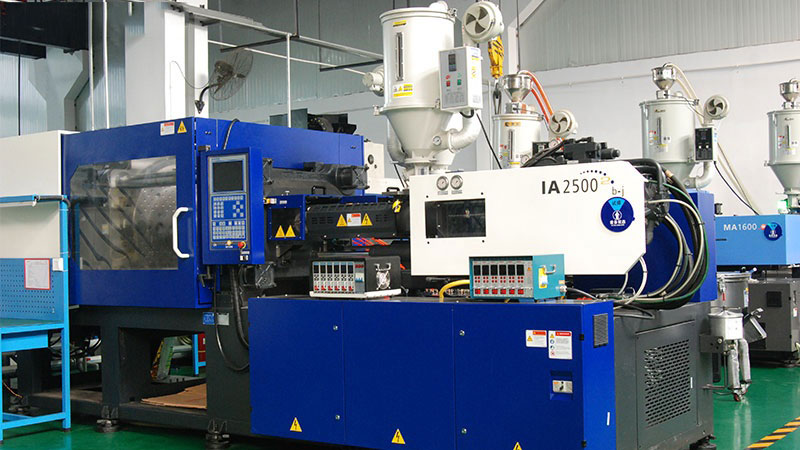
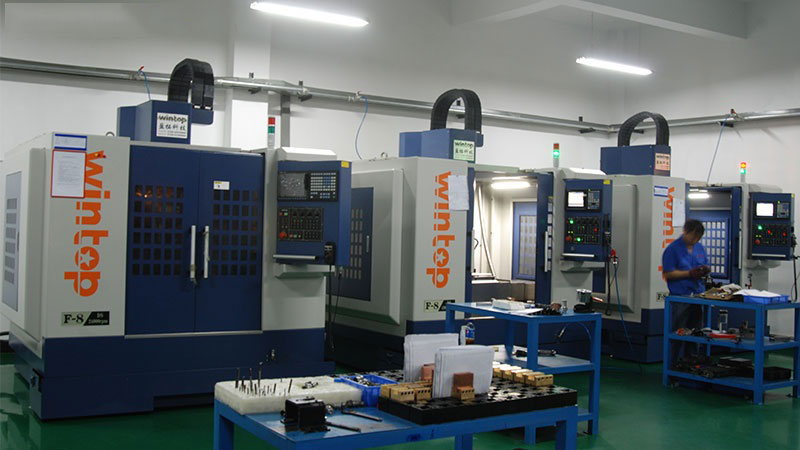
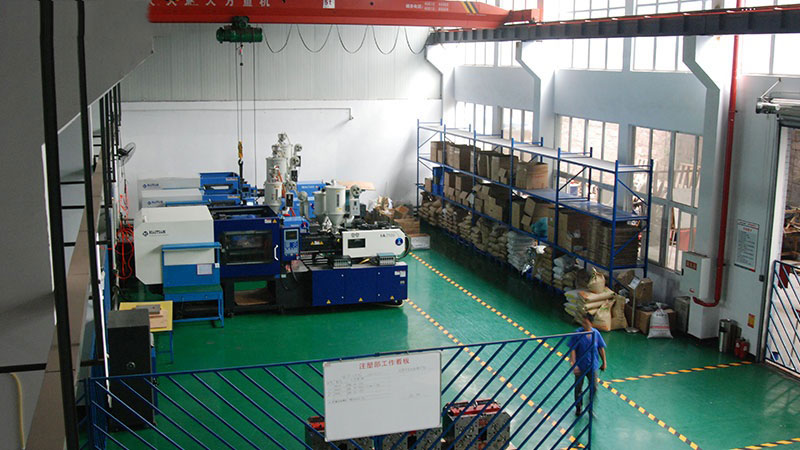
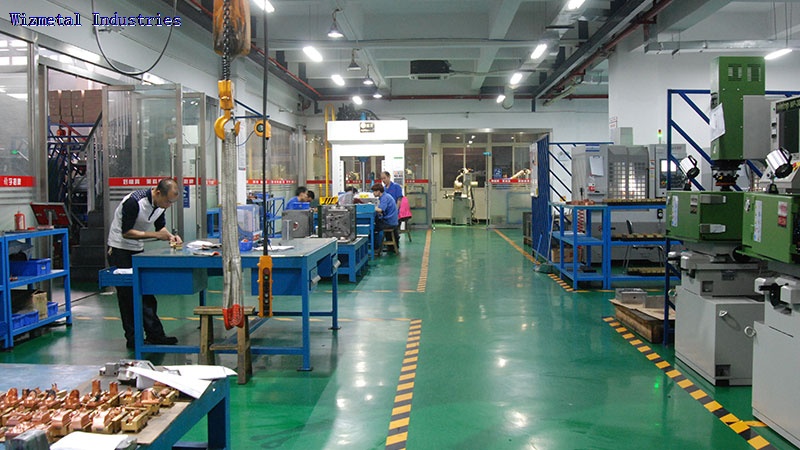
The foundational step in 2026 is a multi-layered verification process that goes beyond a simple website check. Begin with a deep-dive into the China mold factory’s digital footprint. Analyze their professional case studies, looking for projects similar in complexity, material, and industry to yours. Utilize video conferencing for virtual factory tours; a reputable supplier will readily showcase their shop floor, machinery brands (e.g., DMG Mori, Sodick), and quality control stations. Crucially, move past sales representatives and insist on speaking directly with their project engineers. This conversation will reveal their technical proficiency and understanding of your design intent. Finally, leverage third-party verification services for a background check on business licenses, export history, and any potential red flags. This due diligence is your first and most critical filter.
Strategic Procurement: From RFQ to Technical Alignment
A professional Request for Quotation (RFQ) package is your most powerful tool for receiving comparable and accurate quotes. In 2026, leading buyers provide more than just a 3D file. Your RFQ should include detailed material specifications (preferred steel grades like NAK80 or S136), expected annual production volume, cavity requirements, tolerance standards (ISO or SPI), and a comprehensive checklist of deliverables (e.g., 3D inspection report, mold flow analysis, spare parts list). This clarity prevents misunderstandings and allows the mold factory to assess the project accurately. During the quotation analysis, scrutinize the breakdown. Be wary of suspiciously low bids that may cut corners on steel quality or heat treatment. A professional quote will itemize costs for design, materials, machining, testing, and logistics, demonstrating transparency and facilitating a partnership based on mutual understanding.
Implementing Proactive and Multi-Stage Quality Control
Quality control cannot be an afterthought; it must be engineered into the procurement timeline. For injection mold projects, insist on a staged inspection protocol. The first stage is a Design for Manufacturability (DFM) report and mold flow analysis before steel is cut. This virtual validation can prevent costly design flaws. The second critical stage is the First Article Inspection (FAI) upon mold completion. This is where you or a trusted third-party inspection agency physically checks the mold dimensions, material certificates, and surface finish. The final stage is the Trial Run Report. Require a video of the mold producing sample parts at the factory, along with dimensional measurement data of those parts. This multi-stage approach shifts quality control from a reactive “check at the end” to a proactive, collaborative process managed alongside your chosen mold factory in China.
Navigating Logistics, IP Protection, and Post-Sales Support
The journey does not end when the mold is approved. Securing your intellectual property is paramount. A robust Non-Disclosure Agreement (NDA) and a product-specific Intellectual Property Agreement should be signed before sharing any technical data. Ensure these documents are legally enforceable in both your jurisdiction and China. For logistics, work with the supplier to determine the optimal shipping method—air freight for urgency or sea freight for cost-effectiveness for large molds. Discuss incoterms (EXW, FOB, CIF) explicitly to avoid hidden charges. Finally, formalize post-sales support. A reliable supplier will offer a clear warranty period (typically 12-18 months) covering workmanship and material defects, and provide a detailed spare parts list. Establish communication channels for ongoing technical support during your production ramp-up.
Conclusion
Successfully importing an injection mold from China in 2026 is a systematic exercise in professional partnership. It demands moving beyond price-centric thinking to a value-driven approach built on verification, clear communication, embedded quality control, and legal foresight. By meticulously verifying your China mold factory, managing the procurement process with technical precision, implementing staged inspections, and securing the logistical and legal framework, you transform a complex overseas purchase into a competitive advantage. The goal is to build a relationship with a manufacturer that becomes a seamless extension of your own production capability, delivering not just a tool, but reliability, quality, and long-term value for your business.
Work With Us
As a professional China mold manufacturer, we provide one-stop mold solution for overseas buyers.
📞 Phone: +86-18605944639
💬 WhatsApp: +8618605944639
🌐 Website: bestmoldworks.com
📧 Email: [email protected]