For overseas buyers and product developers, sourcing custom molded plastic parts from China remains a powerful strategy for achieving cost efficiency, scalability, and manufacturing agility. However, the landscape is evolving rapidly. Success in 2026 and beyond will not hinge on finding the lowest bidder, but on strategically identifying partners who can deliver uncompromising quality and reliability. This guide cuts through the noise to provide actionable, professional insights for navigating the Chinese manufacturing ecosystem, ensuring your next procurement project for custom molded plastic parts is built on a foundation of clarity and confidence.
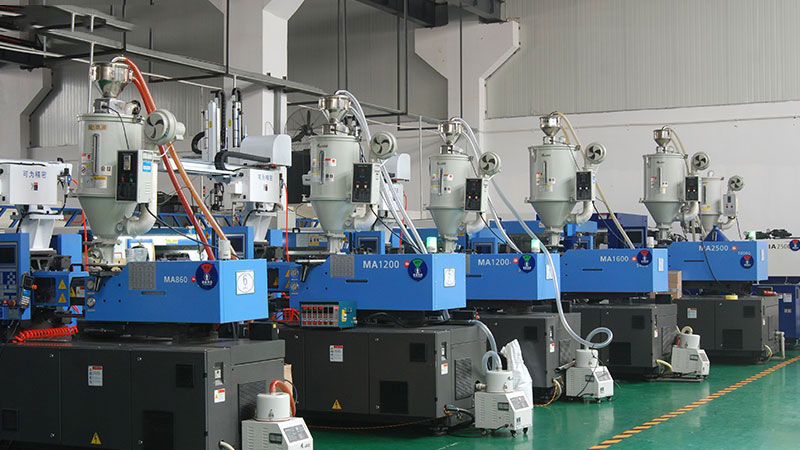
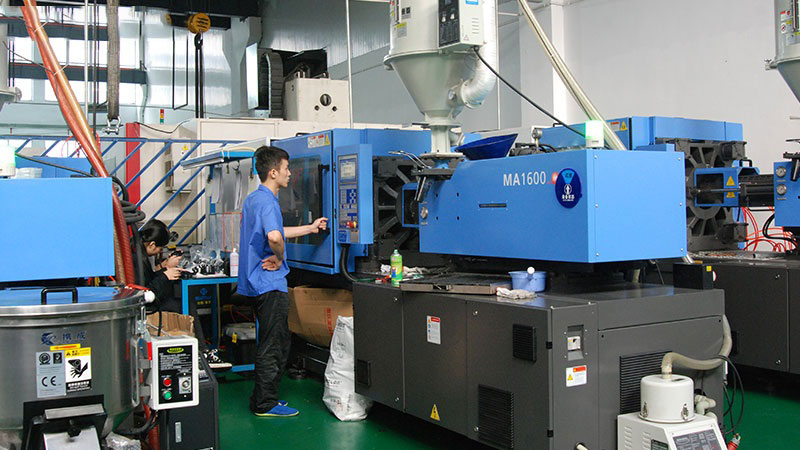
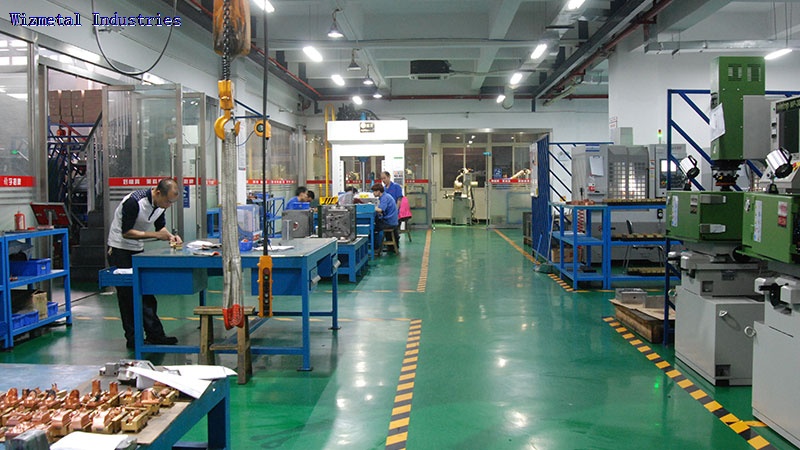
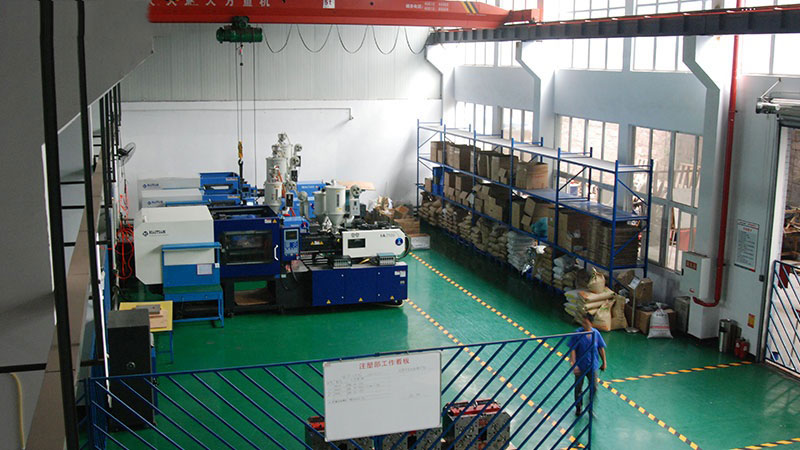
The cornerstone of any successful import project is rigorous supplier verification. Moving beyond a simple Alibaba search is non-negotiable. Begin by defining your project’s precise requirements: material specifications, annual volumes, tolerance levels, and expected lifecycle of the injection mold. This clarity becomes your filter. Seek out specialized China mold factories with demonstrable experience in your industry, whether it be automotive, medical, consumer electronics, or packaging. Utilize professional platforms like Global Sources or Made-in-China for more vetted listings, and always insist on a virtual or, ideally, in-person factory audit. Verify business licenses, inspect workshop organization, and assess the age and maintenance of their machining centers. A professional partner will welcome this scrutiny as it establishes a foundation of mutual respect and transparency.
Once a shortlist of potential partners is established, the focus must shift to technical collaboration and the mold itself. The design and engineering phase for your injection mold is where quality is fundamentally built in, not inspected in later. Engage in detailed Design for Manufacturability (DFM) analysis with your chosen supplier. A competent China mold factory will provide annotated feedback on your part design, suggesting draft angles, wall thickness uniformity, gate locations, and ejection strategies to optimize for production and longevity. Discuss mold flow analysis upfront; this simulation is a critical indicator of a supplier’s technical depth and commitment to preventing costly flaws like sink marks or warpage. Clarify ownership of the mold tooling—this is a crucial asset. Ensure contracts explicitly state that you retain intellectual property and physical ownership of the mold, with clear terms on its storage and maintenance at the factory.
Proactive quality control is the most effective tool for risk mitigation. Do not relegate QC to a final pre-shipment inspection. Implement a staged protocol that begins with First Article Inspection (FAI). Upon receiving the initial samples from the production mold, conduct comprehensive dimensional checks, material verification, and functional testing against your approved drawings and specifications. For ongoing production, define and agree upon a Statistical Process Control (SPC) plan with your supplier to monitor critical part dimensions during the manufacturing run. For high-volume or critical applications, engaging a reputable third-party quality inspection firm within China for during-production checks (DPI) and pre-shipment inspections (PSI) provides an unbiased layer of oversight. This end-to-end vigilance ensures consistency and catches deviations before they become container-sized problems.
Effective procurement extends beyond the unit price of the parts. Adopt a Total Cost of Ownership (TCO) model when evaluating quotes. This includes the initial cost of the injection mold, the per-part price, costs for quality inspections, logistics, tariffs, and potential costs associated with delays or defects. A slightly higher per-part price from a supplier with superior engineering and in-process quality control often results in a lower TCO by eliminating rework, returns, and production stoppages. Furthermore, build a relationship with your supplier. Consistent communication, scheduled video conferences, and treating them as a strategic extension of your team foster better problem-solving and priority treatment. Discuss their roadmap for 2026—are they investing in new machinery, automation, or sustainable materials? A forward-thinking partner is an asset for your own product’s future.
In conclusion, securing the best suppliers for custom molded plastic parts in 2026 is a deliberate process rooted in strategic verification, technical collaboration, and embedded quality control. The competitive edge will belong to buyers who approach their China mold factory not merely as a vendor, but as a technical partner integral to their product’s success. By mastering supplier verification, engaging deeply in the mold engineering process, implementing a robust QC protocol from the first sample to the final shipment, and managing the procurement relationship with a long-term perspective, you transform the complexity of overseas manufacturing into a reliable, scalable, and competitive advantage. The path to quality in 2026 is paved with preparation, partnership, and professional diligence.
Work With Us
As a professional China mold manufacturer, we provide one-stop mold solution for overseas buyers.
📞 Phone: +86-18605944639
💬 WhatsApp: +8618605944639
🌐 Website: bestmoldworks.com
📧 Email: [email protected]