Blog

  • custom injection mold: Reliable Manufacturers Guide 2026

    Importing a custom injection mold from China remains a strategic decision for businesses worldwide seeking competitive manufacturing advantages. The potential for significant cost savings, rapid production scaling, and access to advanced engineering expertise is compelling. However, the journey from concept to a perfect, durable mold in your possession is fraught with complexities. For overseas buyers in 2026, the challenge is not finding a manufacturer, but identifying a truly reliable partner amidst a vast sea of options. This guide cuts through the noise, offering a professional, actionable framework for your procurement process, ensuring your investment in a custom injection mold delivers the expected quality, performance, and value.

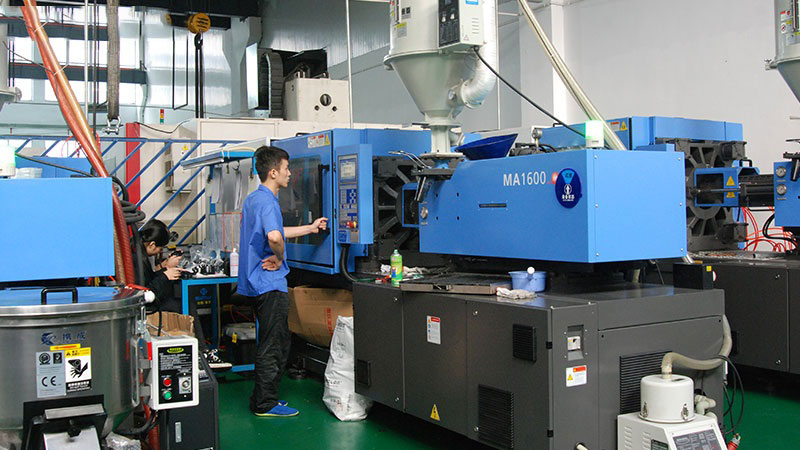
    The cornerstone of a successful project lies in meticulous supplier verification. Moving beyond basic website checks and Alibaba listings is non-negotiable. Start with a deep due diligence process. Verify the China mold factory’s business license via official channels and check for relevant industry certifications, such as IATF 16949 for automotive or ISO 13485 for medical devices. However, in 2026, verification must go further. Request and scrutinize a detailed portfolio of past projects similar to your injection mold in complexity, material, and industry. Insist on a real-time video tour of their facility; observe their machinery (the age and brand of CNC, EDM, and injection molding machines), their workshop organization, and their quality control stations. Directly contact past international clients if possible. This level of verification separates marketing from manufacturing capability, revealing a partner’s true operational discipline.

    Once a potential partner is shortlisted, mastering the technical and commercial dialogue is critical. Your request for quotation (RFQ) package must be exceptionally detailed to avoid ambiguity and future cost overruns. It should include not just 3D CAD files (STEP or IGS format) but also a comprehensive specification document. This document must cover the expected mold life (e.g., 500,000 cycles), material (e.g., P20, H13, stainless steel), surface finish requirements (SPI standards), tolerance levels, and the intended plastic resin for production. Clearly state all post-mold services needed: sampling, first article inspection reports, and maintenance. During negotiations, focus on total value, not just the lowest mold price. Discuss payment terms (a structured schedule like 30-40-30 is standard), intellectual property protection agreements, and a clear, milestone-based project timeline. A professional manufacturer will engage technically, asking questions about your design, suggesting design for manufacturability (DFM) improvements to simplify the injection mold and reduce cost, rather than simply agreeing to everything.

    Proactive and structured quality control is your most powerful tool to mitigate risk. Do not assume quality will be managed for you; you must build it into the contract. Define key inspection points (IPQC) throughout the mold manufacturing process. Typically, these include a pre-production meeting after DFM, inspection of the mold base and core/cavity blocks, a first trial (T1) with sample parts, and a final pre-shipment audit. For critical components, mandate that the China mold factory provides inspection reports with Coordinate Measuring Machine (CMM) data and photographs. For high-value or high-volume projects, engaging a reputable third-party quality inspection firm based in China for the critical T1 sample stage is a wise investment. They can physically be on-site to measure samples, test the mold on the press, and validate the process parameters, providing an unbiased report before the mold is finalized and shipped.

    The final phase, encompassing logistics, commissioning, and after-sales, determines the long-term return on your investment. Understand the Incoterms in your contract thoroughly. For a delicate and high-value item like a custom injection mold, consider terms that give you more control over shipping quality, such as FCA (Free Carrier) at the factory, where you appoint and manage the freight forwarder. Ensure the mold is properly crated, desiccated, and protected for ocean freight. Upon arrival, have a planned commissioning process at your local injection molding facility or contract manufacturer. The supplier should provide detailed mold maintenance manuals, spare parts lists, and be available for remote support during the first production run. A reliable partner views the transaction not as a sale but as the start of a support relationship, offering clear terms for mold repair, modification, and technical assistance, ensuring your injection mold remains productive for its entire lifespan.

    Successfully importing a custom injection mold from China in 2026 demands a shift from a simple procurement mindset to one of strategic partnership development. The landscape is sophisticated, and the reliable manufacturers are those who welcome the transparency and rigorous process outlined here. By implementing a systematic approach to supplier verification, engaging in detailed technical commerce, enforcing staged quality control, and planning for the full product lifecycle, you transform a complex overseas venture into a predictable, value-driven operation. The goal is to secure not just a tool, but a foundation for manufacturing excellence. Let this guide serve as your blueprint for building a productive and trustworthy relationship with a Chinese mold factory, turning the challenge of distance into your greatest competitive advantage.

    Work With Us

    As a professional China mold manufacturer, we provide one-stop mold solution for overseas buyers.
    📞 Phone: +86-18605944639
    💬 WhatsApp: +8618605944639
    🌐 Website: bestmoldworks.com
    📧 Email: [email protected]
  • Mold customization online: Expert Tips & Solutions 2026

    For overseas buyers, the prospect of importing high-quality, cost-effective molds from China is a powerful driver of competitive advantage. However, the journey from a digital concept to a physical, precision tool arriving at your factory is fraught with potential pitfalls. The landscape of **mold customization online** has evolved dramatically, moving beyond simple RFQ portals to integrated digital engineering ecosystems. As we look toward 2026, success hinges on a strategic, informed approach that leverages technology while enforcing rigorous traditional procurement standards. This guide provides expert solutions to navigate this complex process, ensuring you partner with the right **China mold factory** and secure a mold that meets your exact specifications, budget, and timeline.

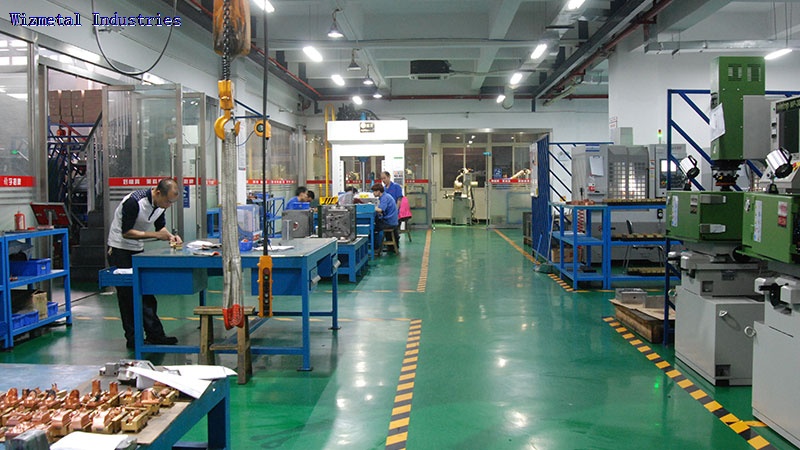
    The foundational step in any successful **procurement** journey is meticulous supplier verification. In the digital age, a polished website and fluent English are merely table stakes. To dig deeper, implement a multi-layered verification protocol. First, utilize third-party business verification platforms to confirm the legal registration, operational scale, and financial health of the potential **China mold factory**. Second, demand evidence of technical capability specific to your project. For an **injection mold** project, this means requesting and analyzing 3D mold flow analysis reports, DFM (Design for Manufacturability) feedback on your part design, and detailed case studies of similar molds they have produced. Third, insist on a live video tour of their facility. A real-time walkthrough of their CNC, EDM, and quality control departments is invaluable and far more revealing than curated gallery images. This triangulation of data, technical proof, and live verification separates credible partners from intermediaries.

    Once a technically qualified supplier is shortlisted, the focus must shift to mastering the digital communication and documentation pipeline. Ambiguity is the root cause of most mold failures. Develop a comprehensive, non-negotiable technical data package (TDP) to issue with your RFQ. This should include not only the 3D part file (STEP or IGS) but also a fully detailed 2D drawing with GD&T (Geometric Dimensioning and Tolerancing), material specifications, expected cavitation, surface finish requirements (SPI standards), and target cycle time. Furthermore, establish a clear protocol for all design reviews. Insist on using collaborative online platforms where markups and revisions are tracked. Define milestone approvals formally: approve the DFM report, approve the mold design drawings, and approve the T1 sample. Treat each digital approval as a binding contract checkpoint, preventing costly and time-consuming changes later in the process.

    The core of **mold customization online** is not just ordering a tool but managing its creation with an unwavering focus on quality control. The most critical error is waiting until the final sample inspection to assess quality. Proactive, staged QC is essential. Specify key inspection points during the manufacturing process. Require in-process photos and inspection reports for critical components like the finished mold cores and cavities, often measured with CMM (Coordinate Measuring Machine) reports. For the first article samples (T1), do not rely solely on supplier-provided measurements. Engage a reputable third-party quality inspection firm located near the **China mold factory** to perform an on-site First Article Inspection (FAI). This independent audit should verify critical dimensions, material composition, and part performance. This step, while an added cost, is arguably the most valuable investment in the entire project, mitigating the immense risk of receiving a non-conforming production tool.

    Finally, a professional approach extends beyond the technical to encompass commercial and logistical foresight. Clearly define all commercial terms using detailed Proforma and Commercial Invoices. Use secure, traceable payment methods; a common and balanced structure is 30-40% deposit, 50-60% after approval of T1 samples, and the final 10% after pre-shipment inspection. For logistics and shipping, understand the Incoterms 2020 thoroughly. For high-value molds, DAP (Delivered at Place) to your facility is often safer than EXW, as it places responsibility for safe international freight on the supplier. Ensure the **injection mold** is properly prepared for shipping: it should be protected with anti-rust VCI packaging, securely mounted in a custom crate, and all components clearly labeled. Also, verify that all agreed-upon documentation, including final inspection reports, material certificates, and a comprehensive mold manual, is included.

    In conclusion, the paradigm for importing molds from China in 2026 is defined by digitally enabled diligence. The process of **mold customization online** offers unprecedented access and efficiency but demands a disciplined, hybrid strategy. By rigorously verifying suppliers, enforcing crystal-clear digital communication, implementing staged quality control checkpoints, and managing commercial terms with precision, overseas buyers can transform perceived risks into reliable, high-value partnerships. The goal is no longer just to find a manufacturer but to build a collaborative, transparent engineering relationship with your chosen **China mold factory**. By applying these expert tips and solutions, you position your procurement process for success, securing not just a mold, but a cornerstone for your product’s quality and market success.

    Work With Us

    As a professional China mold manufacturer, we provide one-stop mold solution for overseas buyers.
    📞 Phone: +86-18605944639
    💬 WhatsApp: +8618605944639
    🌐 Website: bestmoldworks.com
    📧 Email: [email protected]
  • custom plastic mold Manufacturerturer near me: Reliabl 2026

    For overseas buyers, the search for a “custom plastic mold manufacturer near me” often concludes not with a local factory, but with the realization that China offers the optimal blend of technical expertise, scalability, and cost-effectiveness. However, the geographical and cultural distance can introduce significant challenges in procurement, supplier verification, and quality control. This guide for 2026 is designed to transform that complexity into a clear, actionable strategy. We move beyond simple directory searches to provide a professional framework for identifying, vetting, and collaborating with a reliable China mold factory to secure high-quality injection molds that drive your product’s success.

    The foundational step is to redefine your search parameters. Instead of a literal geographical proximity, focus on creating “operational proximity.” This means identifying Chinese manufacturers who have established systems to bridge the distance for international clients. Begin with in-depth online research on platforms like Alibaba, Made-in-China, and Global Sources, but treat them as starting points, not finish lines. Use specific search terms that align with your project: “precision injection mold for medical devices” or “large-scale automotive mold factory.” More importantly, prioritize suppliers with detailed process documentation, client testimonials from your region, and clear export experience. A manufacturer with a comprehensive English website, detailed technical specifications, and active communication channels is already demonstrating the operational proximity you need, effectively becoming your reliable “custom plastic mold manufacturer near me” in a global context.

    Once you have a shortlist, rigorous supplier verification becomes non-negotiable. In 2026, due diligence must be multi-layered. First, verify business licenses and export credentials. Utilize third-party verification services to confirm the factory’s legal standing and scale. Second, request and scrutinize a detailed project portfolio. Ask for case studies of molds similar in complexity, material, and industry to your own. Third, and most critically, insist on a video audit. A live factory tour via video call allows you to inspect machinery (e.g., CNC, EDM, CMM), workshop organization, and in-house quality control labs. This step is invaluable for assessing their capability in injection mold manufacturing and their general operational discipline. Engage directly with their engineering team during this call to gauge technical proficiency. This process moves you from a faceless quote to a verified partnership.

    Clear technical communication is the pillar upon which successful mold procurement is built. Misunderstandings in specifications lead to costly delays. To prevent this, develop and provide a meticulous Technical Data Package. This should include, but not be limited to: 3D CAD files (STEP or IGES), 2D drawings with critical dimensions and tolerances clearly marked, material specifications (grade and supplier if possible), expected annual volumes, and surface finish requirements. Employ visual aids—annotate drawings, use color-coding, and provide photos of similar parts or existing products. Schedule dedicated meetings to review the mold design (DFM report) provided by the factory. A professional China mold factory will proactively offer Design for Manufacturability analysis, suggesting optimizations for cost, durability, and part quality. Treat this collaboration as a technical dialogue, not just an order placement.

    Proactive quality control, integrated from the start, is what separates successful imports from problematic ones. Do not treat QC as a final inspection before shipment. Define your quality standards explicitly in the purchase contract, referencing international standards like ISO or SPI. Require staged inspections and documentation. Key checkpoints include: steel material certification, mold flow analysis reports, first article inspection reports after T1 sampling, and dimensional reports using CMM data. For high-value or high-volume projects, engaging a third-party quality inspection firm in China for pre-shipment audits is a wise investment. They can perform part measurements, mold functionality tests, and visual inspections on your behalf. This layered approach to quality control ensures that the injection mold meets your specifications and is capable of sustained production, mitigating risk before the mold ever leaves the factory floor.

    Finally, approach the partnership with a long-term strategic mindset. The most reliable manufacturers seek recurring business and value long-term clients. Negotiate contracts that are fair, with clear terms for intellectual property protection, payment schedules (avoid excessive upfront payments; use milestones like 30% deposit, 40% after T1 approval, 30% before shipment), and protocols for handling mold modifications and maintenance. Discuss post-sales support, including warranty periods for workmanship and the process for repairing or modifying the mold in the future. Establishing this framework fosters trust and aligns interests, turning a transactional supplier into a true extension of your manufacturing capability.

    In conclusion, the quest for a “custom plastic mold manufacturer near me” in 2026 is ultimately a quest for a reliable, transparent, and professionally managed partner in China. By strategically shifting your search to create operational proximity, conducting multi-faceted supplier verification, mastering technical communication, implementing staged quality control, and building a contractual framework for partnership, you systematically de-risk the import process. The goal is not merely to find a low-cost provider, but to identify a capable China mold factory whose expertise in injection mold manufacturing becomes a durable competitive advantage for your business. With this disciplined approach, the geographical distance becomes a minor detail, overshadowed by the reliability and quality delivered to your production line.

    Work With Us

    As a professional China mold manufacturer, we provide one-stop mold solution for overseas buyers.
    📞 Phone: +86-18605944639
    💬 WhatsApp: +8618605944639
    🌐 Website: bestmoldworks.com
    📧 Email: [email protected]
  • mold maker: Complete Procurement Guide 2026 | China Mold Factory

    For overseas buyers, sourcing precision tooling from China represents a significant strategic advantage, offering a balance of cost-effectiveness, advanced manufacturing capabilities, and scalable production. However, navigating the vast landscape of Chinese manufacturing can be daunting. This guide is designed to demystify the process, providing a clear, actionable roadmap for successfully importing high-quality molds from China in 2026 and beyond. We will move beyond generic advice to tackle the real challenges you face in supplier verification, communication, quality control, and logistics, ensuring your procurement journey is smooth and your investment secure.

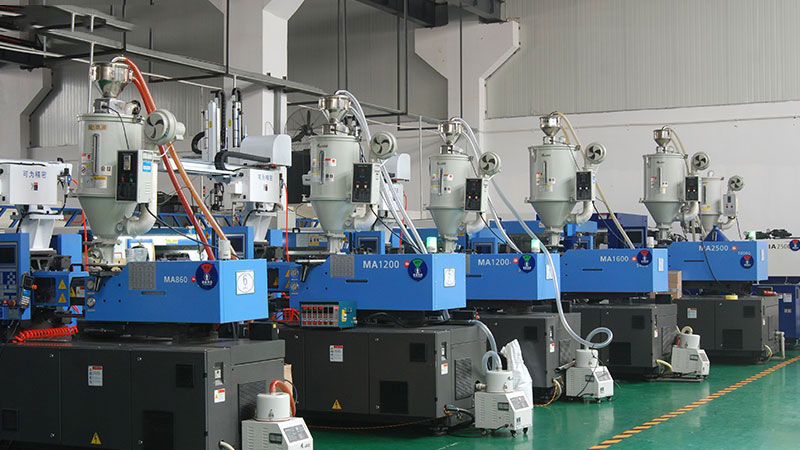
    The journey begins long before a request for quotation is sent. Comprehensive supplier verification is the single most critical step in mitigating risk. Start by moving past Alibaba listings alone. Utilize professional B2B platforms like Made-in-China.com or Global Sources, but treat them as a starting point for discovery. The real due diligence involves verifying business licenses via official Chinese government portals, insisting on virtual factory tours via video call to assess machinery, workshop organization, and cleanroom standards, and critically, reviewing a portfolio of past projects for overseas clients. Specifically request case studies or references for molds similar to yours in complexity and material. A reputable China mold factory will be transparent and proud to showcase this. Check for relevant industry certifications, not just ISO 9001, but also specific automotive (IATF 16949) or medical standards if applicable to your project.

    Once a shortlist of potential partners is established, mastering the technical and commercial communication phase is essential. The cornerstone of this is providing an exceptionally clear and detailed Request for Quotation. Your RFQ should include not just part drawings, but also a comprehensive specification covering: intended material (e.g., ABS, PP, PC), expected annual volume, cavity requirements, mold steel grade (such as S136, NAK80, or P20), surface finish specifications (SPI standards), and tolerance expectations. Clearly state all post-mold services needed, such as sampling, first article inspection reports, and mold maintenance. This precision eliminates ambiguity, allows for accurate comparable quotes, and demonstrates your professionalism, which in turn attracts serious suppliers. During negotiations, focus on total value, not just the lowest mold price. Discuss payment terms (a common and secure structure is 50% deposit, 40% before shipment, 10% after approval of samples), intellectual property protection agreements, and a detailed project timeline with milestone approvals.

    Proactive and structured quality control is non-negotiable. Do not assume quality will be managed solely by the supplier. Implement a multi-stage QC protocol. First, insist on a Design for Manufacturability review before steel is cut. A competent mold maker will provide feedback to optimize your design for production, saving cost and future headaches. Second, define Critical Control Points: a pre-shipment inspection when the mold is assembled but not yet sampled, and a first article inspection using parts produced from the T1 sample. For high-value or complex molds, engaging a local third-party quality inspection firm to conduct an on-site audit during these stages is a highly recommended investment. They can verify dimensions, test mold movements, and document the process objectively. Ensure your contract specifies the number of sample cycles included in the price and the process for engineering changes.

    The final logistical and partnership phase solidifies a successful import. Understand Incoterms thoroughly; FOB Shanghai/Shenzhen/Ningbo is typically the most balanced and common choice, giving you control over shipping and insurance once the mold leaves the Chinese port. Work with a freight forwarder experienced in handling industrial machinery to arrange safe packing and transportation—molds are heavy, precise, and susceptible to rust. Proper packaging with desiccant and anti-rust VCI paper is crucial. Upon receipt, conduct an immediate unpacking inspection. Finally, view this procurement as the start of a long-term partnership. A reliable China mold factory is an extension of your production team. Establish clear protocols for mold maintenance, repair, and future modifications. Building a relationship based on clear communication and mutual respect transforms a one-time transaction into a lasting strategic asset for your business.

    In conclusion, importing molds from China in 2026 requires a methodical, informed approach that prioritizes verification, clear communication, embedded quality control, and logistical foresight. By treating the selection process as a strategic partnership vetting and engaging deeply at every technical milestone, you can unlock the immense value offered by Chinese mold manufacturing. The goal is to move from being an overseas buyer to a valued international partner, ensuring not only the successful procurement of a tool but also the foundation for seamless, high-quality production for years to come. This disciplined framework is your blueprint for turning geographical distance and complexity into a competitive advantage.

    Work With Us

    As a professional China mold manufacturer, we provide one-stop mold solution for overseas buyers.
    📞 Phone: +86-18605944639
    💬 WhatsApp: +8618605944639
    🌐 Website: bestmoldworks.com
    📧 Email: [email protected]
  • custom mold: Professional Buying Guide 2026 | China Mold Factory

    Navigating the procurement of custom molds from China represents a significant strategic advantage for overseas buyers, offering unparalleled cost efficiency and manufacturing scale. However, the journey from concept to a perfect, production-ready mold in your facility is fraught with potential complexities. A misstep in supplier selection or project management can erase all initial savings through delays, rework, and faulty production parts. This professional guide for 2026 cuts through the noise to provide a structured, actionable framework for your procurement process. We will focus on solving real problems, from initial supplier verification to final quality control, ensuring your partnership with a China mold factory is built on clarity, technical alignment, and mutual success.

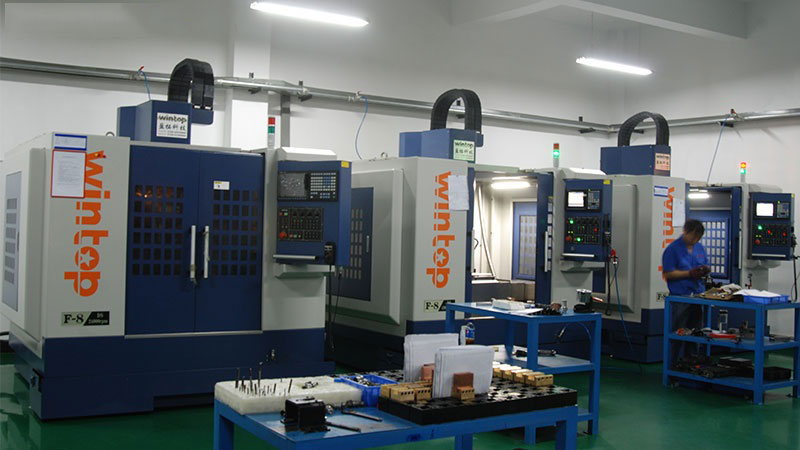
    The cornerstone of a successful project is rigorous supplier verification, moving beyond Alibaba listings to a deep technical assessment. Begin by demanding a portfolio of past work, specifically for molds similar in size, complexity, and industry to your own. A competent China mold factory will readily provide this. Next, insist on a video tour of their facility. In 2026, this is a non-negotiable step. Observe their machinery; modern CNC, EDM, and deep-hole drilling equipment are indicators of capability. Scrutinize their quality control area for coordinate measuring machines and mold testing presses. Crucially, engage their engineering team in a technical discussion. Present your product design or CAD model and evaluate their questions. Do they probe about gate location, ejection, cooling channel design, or material shrinkage? Their questions reveal their expertise. This phase is not about finding the lowest bidder but identifying a partner whose technical depth matches your project’s demands.

    Once a qualified supplier is shortlisted, mastering the request for quotation process is vital. A vague RFQ will yield inaccurate quotes and future conflicts. Your RFQ package must be comprehensive. It should include detailed 3D CAD files, 2D drawings with critical dimensions and tolerances clearly defined, and specifications for the mold steel type. Furthermore, specify the expected production volume, as this influences steel hardness and cooling system complexity. Clearly state all deliverables: Are you purchasing just the custom mold, or does the quote include sampling, trial reports, and a first article inspection? Define the mold trial process—how many trial shots are included, and what is the protocol for design adjustments? Transparency here aligns expectations and allows for a true apples-to-apples comparison between potential partners, forming a solid foundation for the project contract.

    The contract phase is your primary risk mitigation tool. A professional agreement should meticulously detail every aspect beyond just price and delivery time. It must include full technical specifications as an annex, payment terms linked to clear milestones, and intellectual property clauses asserting your ownership of all design and tooling. Crucially, incorporate a structured quality control plan. Specify the inspection equipment to be used and require documented evidence at each stage: steel material certificates, pre-hardness inspection reports, and a final dimensional report from the CMM. Stipulate that the approval of sample parts from the mold trial is a mandatory gate before shipment. This document is not about distrust but about creating a unambiguous reference point that protects both parties and ensures the final injection mold meets your precise requirements.

    Proactive quality control cannot be an afterthought; it must be integrated throughout the mold manufacturing lifecycle. For critical projects, consider engaging a local third-party inspection agency in China for key stage audits. These can include a First Article Inspection after the mold trial, where inspectors witness the sampling process, check part dimensions against your drawings, and assess the injection mold’s performance. They can also conduct a pre-shipment inspection to verify the mold’s condition and completeness against the packing list. Furthermore, maintain clear and documented communication. Use marked-up drawings and video calls to address engineering queries. When sample parts arrive, conduct your own thorough inspection and testing, providing clear, consolidated feedback. This hands-on, evidence-based approach minimizes surprises and ensures you receive a mold that is ready for production, not rework.

    In conclusion, importing a custom mold from China in 2026 is a process best navigated with methodical precision and strategic partnership. The landscape rewards buyers who invest time in thorough supplier verification, craft impeccably detailed RFQs and contracts, and enforce a proactive, evidence-based quality control regimen. By viewing your chosen China mold factory not as a distant vendor but as a technical extension of your own team, you unlock the true value proposition: world-class manufacturing capability at a competitive cost. This professional guide provides the framework to transform a complex procurement challenge into a streamlined, successful project, delivering a high-quality injection mold that becomes a reliable asset in your production line for years to come.

    Work With Us

    As a professional China mold manufacturer, we provide one-stop mold solution for overseas buyers.
    📞 Phone: +86-18605944639
    💬 WhatsApp: +8618605944639
    🌐 Website: bestmoldworks.com
    📧 Email: [email protected]
  • custom plastic mold Manufacturerturer near me: Expert T 2026

    For overseas buyers, the search for a “custom plastic mold manufacturer near me” often concludes not with a local factory, but with the realization that China offers the optimal blend of technical capability, cost efficiency, and scalability. However, navigating the vast landscape of Chinese manufacturing presents distinct challenges. This guide provides expert, actionable strategies for 2026, designed to help you procure high-quality injection molds from China with confidence and precision, transforming a complex international process into a streamlined and successful partnership.

    The initial search phase is critical. Moving beyond simple online directories requires a multi-faceted approach. Begin by leveraging industry-specific B2B platforms, but scrutinize supplier profiles for genuine production evidence—look for detailed factory audits, equipment lists, and client testimonials. Concurrently, attend major international plastics and molding trade shows, either in person or virtually. These events allow you to assess a China mold factory’s expertise directly and initiate face-to-face dialogue. Furthermore, utilize professional networks and consider engaging a sourcing agent with a proven track record in plastic injection mold procurement. Their on-the-ground presence can be invaluable for initial supplier verification, filtering out trading companies to connect you directly with capable manufacturers.

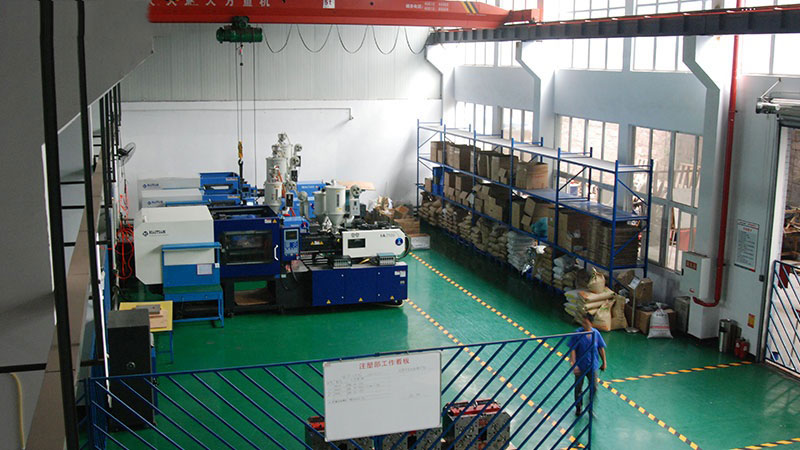
    Once a shortlist is established, rigorous supplier verification is non-negotiable. In 2026, due diligence goes beyond a business license. Request a virtual factory tour via live video call; this allows you to inspect machinery, workshop organization, and quality control stations in real-time. Investigate their experience with your specific industry and material types. Crucially, ask for and contact references from past overseas clients. Inquire about communication efficiency, problem-solving responsiveness, and post-sales support. Verify their export experience and familiarity with shipping molds internationally. This stage is about building a foundation of trust and confirming that the supplier possesses not just the technical skill, but the professional infrastructure to support an overseas partnership.

    Clear and comprehensive technical communication is the bedrock of a successful custom mold project. To avoid costly errors, you must provide exceptionally detailed documentation. This includes fully dimensioned 3D CAD files (STEP or IGS) and 2D drawings with critical tolerances, surface finish specifications, and material selection. Clearly outline the part’s function, expected annual volumes, and the resin to be used. Discuss and agree upon mold design standards upfront—will it be DME, HASCO, or a local standard? Establish a formalized approval process for each stage: initial mold design review, steel inspection, and pre-sampling T1 trial reports. Using collaborative project management tools and maintaining a single point of contact on both sides minimizes misunderstandings and ensures alignment throughout the engineering phase.

    Proactive quality control integrated throughout the manufacturing cycle is what separates adequate procurement from exceptional procurement. Do not relegate QC to a final inspection. Define key inspection points (KPIs) and insist on evidence at each stage. This typically includes material certificates for the mold steel, photos of the finished mold cavity, and most importantly, a comprehensive First Article Inspection (FAI) report with dimensional results from sample parts. For critical projects, engage a trusted third-party quality inspection service to conduct an on-site inspection during the T1 sample trial. They can verify part dimensions, assembly, and function against your specifications before the mold is finalized. This proactive investment prevents the far greater cost and delay of correcting a faulty mold after it has been shipped.

    The conclusion of manufacturing marks the beginning of the logistics and partnership phase. Ensure you have a clear agreement covering payment terms, delivery Incoterms, and intellectual property protection. For a custom plastic mold manufacturer near me in China, a well-structured contract is essential. Discuss packaging requirements to ensure the mold is crated securely for ocean freight. Plan for post-sales support: how will mold maintenance, repair, or future modifications be handled? Establishing protocols for troubleshooting and spare part availability will extend the life of your asset. A reliable supplier views this as a long-term partnership, offering ongoing support to ensure your production runs smoothly.

    In summary, finding a reliable custom plastic mold manufacturer near me in China is a systematic process of strategic sourcing, diligent verification, precise communication, and embedded quality control. By adopting these expert tips for 2026, you transform the inherent complexities of overseas procurement into a manageable and highly advantageous endeavor. The goal is to build a collaborative relationship with a China mold factory that delivers not just a tool, but a foundation for your product’s quality, cost-effectiveness, and market success. With the right approach, your investment in a Chinese injection mold will yield significant competitive advantage for years to come.

    Work With Us

    As a professional China mold manufacturer, we provide one-stop mold solution for overseas buyers.
    📞 Phone: +86-18605944639
    💬 WhatsApp: +8618605944639
    🌐 Website: bestmoldworks.com
    📧 Email: [email protected]

  • custom molded part: Reliable Manufacturers Guide 2026

    For overseas buyers, sourcing a custom molded part represents a critical step in product development. It is an investment that directly impacts your time to market, unit cost, and final product quality. China remains the global epicenter for mold manufacturing, offering unparalleled expertise and competitive pricing. However, navigating this vast market to find a truly reliable partner can be daunting. This guide for 2026 cuts through the noise, providing a professional and actionable framework for procurement success. We will move beyond simple supplier lists to focus on verification processes and quality systems that ensure your project’s integrity from the first drawing to the final production run.

    The foundation of a successful partnership lies in meticulous supplier verification. In 2026, due diligence goes far beyond checking a company website. Start by verifying the China mold factory’s business license via official Chinese platforms. Then, conduct a deep-dive technical assessment. Request detailed case studies of molds they have built for overseas clients, specifically for parts similar in complexity, material, and volume to your project. A credible manufacturer will readily share this. Utilize video calls to conduct virtual factory tours; observe the organization of the workshop, the generation and condition of machinery (look for brands like DMG Mori, Sodick, or Haitian injection molding machines), and the working environment. This step is crucial to separate trading companies from actual manufacturers and to gauge their operational professionalism before any commitment is made.

    Effective communication of your technical requirements is non-negotiable. The most common cause of delays and cost overruns is ambiguous specifications. To procure a flawless custom molded part, you must provide a comprehensive package. This includes, at minimum, fully detailed 3D CAD files (STEP or IGS format) and 2D drawings with GD&T (Geometric Dimensioning and Tolerancing) callouts. Clearly specify the intended polymer resin, expected annual volumes, cosmetic requirements (e.g., SPI finish standards), and critical-to-function dimensions. Discuss the injection mold design openly: expected cycle time, cooling line layout, gate type and location, and ejection strategy. A proficient supplier will engage in this dialogue, asking clarifying questions and potentially offering design for manufacturability (DFM) feedback to optimize your part for cost and performance. This collaborative approach at the design stage is a hallmark of a reliable partner.

    A rigorous, multi-stage quality control protocol is your primary risk mitigation tool. Agree on a QC plan before order placement. For the mold itself, insist on a First Article Inspection (FAI) report. This should include 3D scan data comparing the first shots from the new mold against your original CAD model, often presented in a color-map deviation report. Critical mold components should be inspected for hardness and precision. For the subsequent production of the custom molded part, define the frequency and scope of inspections. Will there be daily patrol checks during production runs? How many pieces from each batch will undergo dimensional inspection? Are material certificates (MSDS) required? Many top-tier China mold factories are now equipped with CMM machines, vision systems, and have in-house mold flow analysis capabilities. Verify their use of this equipment and ensure you receive documented evidence at every agreed milestone before releasing payments.

    Understanding the commercial and logistical framework is essential for a smooth procurement process. Be clear on payment terms; a common and balanced structure is 30-40% deposit, 40-50% after mold trial sample approval, and the balance before shipment. Ensure the quotation explicitly states what is included: the number of cavity impressions, mold base material (e.g., P20, H13 steel), lifetime guarantees (often measured in shots), and the cost and timeline for mold modifications. Discuss intellectual property protection; a professional manufacturer will sign an NDA (Non-Disclosure Agreement) and may even keep your project within a secured division. Finally, plan logistics early. Determine whether you will use EXW, FOB, or DDP terms. For high-value molds, consider marine insurance. Establish a clear plan for post-sales support, including responsibility for maintenance, repair, and future modifications to the injection mold.

    In conclusion, importing molds from China in 2026 demands a strategic, process-oriented approach. The landscape is competitive, and the most reliable manufacturers are those who welcome transparency and systematic collaboration. By implementing rigorous supplier verification, mastering technical communication, enforcing staged quality control, and structuring clear commercial terms, you transform procurement from a sourcing challenge into a competitive advantage. The goal is to build a long-term manufacturing partnership that delivers consistent quality, enabling you to bring your innovative products to market with confidence and efficiency. Let this guide be your blueprint for securing a reliable supply chain for your next critical component.

    Work With Us

    As a professional China mold manufacturer, we provide one-stop mold solution for overseas buyers.
    📞 Phone: +86-18605944639
    💬 WhatsApp: +8618605944639
    🌐 Website: bestmoldworks.com
    📧 Email: [email protected]

  • Custom Silicone Mold with Logo: Ultimate Guide for Buy 2026

    For overseas entrepreneurs and product developers, creating branded, high-quality items often starts with a foundational tool: the custom silicone mold with logo. This specialized manufacturing component is crucial for producing consistent, logo-embossed parts in materials like resin, concrete, wax, or low-melt alloys. Sourcing these molds directly from China offers significant advantages in cost and scalability, but the procurement journey requires strategic navigation. This ultimate guide for 2026 is designed to cut through the complexity, providing you with actionable, professional insights to secure a reliable China mold factory and ensure a successful import process.

    The initial and most critical step is thorough supplier verification. The market is vast, and capabilities vary dramatically. Move beyond basic directory websites. Prioritize manufacturers with a proven portfolio in silicone tooling, specifically showcasing logo or detailed text integration. Request to see physical samples of their previous work; the sharpness of a logo’s edges and the durability of the mold speak volumes about their craftsmanship. In 2026, leverage video calls for virtual factory tours. Assess their workshop organization, the type of machinery used for mold making (not just injection mold equipment, unless that’s also a need), and their technical team’s ability to communicate in English. Verify business licenses and, for larger orders, consider third-party verification services to confirm the factory’s legitimacy and financial standing. This upfront diligence mitigates the primary risk of engaging an unqualified partner.

    Once a potential partner is identified, mastering the technical and commercial discussion is key. A professional China mold factory will not simply accept your logo file and promise a mold. They will engage in a design-for-manufacturability (DFM) review. Be prepared to discuss specifics: the intended casting material (as viscosity affects logo depth), required production lifespan (number of pulls), mold hardness (Shore A scale), and precise logo dimensions. Providing a vector file (like .AI or .EPS) of your logo ensures perfect geometric translation. Clearly outline your quality control expectations upfront. Define acceptable tolerances for the logo’s placement and depth, and agree on the protocol for pre-shipment samples. Will they send a sample casting from the new mold for your approval? Establishing these benchmarks before production begins is non-negotiable for a smooth procurement process.

    Quality control is an active phase, not a passive hope. For your custom silicone mold with logo, insist on a staged inspection process. After the mold is fabricated but before it is shipped, request a detailed inspection report with high-resolution photographs and videos. The focus should be on the logo area—checking for air bubbles, imperfections, or blurred edges. Many reputable suppliers offer third-party quality control services like SGS or Bureau Veritas for an additional fee, which can be a worthwhile investment for high-value orders. If possible, specify material certifications for the platinum-cure or tin-cure silicone used, as this directly impacts mold longevity and final product safety. This proactive approach prevents the costly mistake of receiving a sub-standard tool that fails in production.

    Understanding the complete logistics and after-sales landscape completes the cycle. Clarify all Incoterms 2020 with your supplier. Does their quoted price for the custom silicone mold with logo cover EXW (Ex Works), FOB, or DDP? This determines your responsibilities and costs for shipping, insurance, and import duties. Ensure professional, reinforced packaging to prevent deformation during transit. Crucially, discuss after-sales support. What is the warranty period for the mold against manufacturing defects? Will they provide guidance on mold care and maintenance? A reliable supplier views the transaction as the start of a partnership and will support you to ensure the mold performs as intended in your production.

    In conclusion, successfully importing a custom silicone mold with logo from China in 2026 is a systematic process of verification, clear communication, and vigilant quality assurance. The competitive edge lies not in finding the cheapest option, but in partnering with a technically proficient China mold factory that understands your brand’s need for precision and consistency. By implementing the strategies outlined—rigorous supplier verification, detailed technical procurement discussions, staged quality control, and clear logistics planning—you transform a complex international sourcing challenge into a strategic advantage. Your branded product line begins with a perfectly crafted mold; with this guide, you are equipped to secure that foundation with confidence and professionalism.

    Work With Us

    As a professional China mold manufacturer, we provide one-stop mold solution for overseas buyers.
    📞 Phone: +86-18605944639
    💬 WhatsApp: +8618605944639
    🌐 Website: bestmoldworks.com
    📧 Email: [email protected]

  • OEM mold: Ultimate Guide for Buyers 2026 | China Mold Factory

    For global businesses, from ambitious startups to established industry players, mastering the procurement of OEM molds is a critical competitive advantage. An OEM mold, or Original Equipment Manufacturer mold, is the precision-crafted tool at the heart of mass production, directly determining the quality, consistency, and cost of your final plastic or metal components. Sourcing these essential assets from a specialized China mold factory offers unparalleled benefits in cost-efficiency, technical capability, and scalability. However, the journey from concept to a perfect, production-ready mold in your facility is fraught with potential challenges. This definitive 2026 guide is designed to cut through the complexity, providing overseas buyers with a professional, actionable roadmap to navigate the Chinese mold manufacturing landscape successfully, mitigate risks, and secure a reliable, high-value partnership.

    The cornerstone of a successful import project lies in meticulous supplier verification. The market is vast, ranging from backyard workshops to world-class, fully automated facilities. Your first task is to move beyond Alibaba listings and conduct deep due diligence. Prioritize suppliers with a proven track record in your specific industry, whether that’s automotive, medical, consumer electronics, or packaging. Request detailed case studies and, crucially, contact past international clients for references. In 2026, a legitimate China mold factory should be transparent about its capabilities. Verify their machinery list—look for modern CNC, EDM, and high-speed machining centers—and inquire about their engineering team’s expertise. A professional audit or a virtual factory tour via video call is no longer an extraordinary request but a standard step in the procurement process. This initial investment in verification prevents catastrophic failures down the line.

    Once a potential partner is identified, mastering the technical and commercial discussion is paramount. The quoting phase is where clarity eliminates future cost overruns. Provide your chosen China mold factory with a comprehensive package: not just a 3D model (STEP or IGS format is preferred), but a detailed specification sheet. This should include material type (e.g., POM, ABS, PP), expected annual volume, cosmetic requirements (texture, gloss level), critical tolerances, and part function. Be explicit about mold standards: will the mold base be LKM, HASCO, or DME? Discuss mold flow analysis upfront; a competent supplier will perform and share this simulation to predict and resolve filling issues before steel is cut. Furthermore, clarify all cost elements: is the quote for a single-cavity prototype mold or a multi-cavity production mold? What are the payment terms (typically 30-50% deposit, balance before shipment)? Defining these parameters in the purchase order transforms a vague inquiry into a binding, clear contract.

    The most significant concern for any overseas buyer is maintaining rigorous quality control across thousands of miles. Proactive, staged inspection is the only effective strategy. Do not wait until the mold is finished to check it. Implement a milestone-based inspection protocol. Key checkpoints include a review of the mold design, a first article inspection (FAI) of the cavity and core steel after machining, a pre-assembly check, and a final sample approval using the actual production material. Partner with a reputable third-party inspection agency in China for the critical Trial Run (T1) sample approval. They will test the mold, measure sample parts using CMMs, and provide a detailed report with photos and video. This objective assessment ensures the injection mold meets all dimensional, aesthetic, and functional requirements before it leaves the factory. This process safeguards your investment and prevents the costly scenario of reworking or shipping a non-conforming mold.

    Understanding the total cost of ownership and logistical framework is essential for a smooth import operation. While the initial tooling cost from a China mold factory is often attractive, consider the entire lifecycle. Discuss maintenance, warranty (typically one year for workmanship and materials), and the availability of spare components like ejector pins and heaters. For the logistics of the physical mold, you have two primary choices: Ex-Works (you handle all shipping and insurance) or CIF (the supplier arranges shipping to your nearest port). For high-value precision tools, Ex-Works combined with a freight forwarder you trust is often recommended for greater control. Ensure the mold is properly crated in a wooden box with desiccant to prevent rust during ocean transit. Finally, plan for the post-arrival phase: have a qualified mold technician ready to receive, install, and conduct a final validation run in your own or your contract manufacturer’s press. This seamless handover is the final step in a successful procurement cycle.

    In conclusion, importing an OEM mold from China in 2026 is a strategic endeavor that rewards diligent preparation and structured partnership. The journey, from rigorous supplier verification and precise technical procurement to staged quality control and savvy logistics planning, is a systematic process that de-risks a substantial capital investment. By viewing your chosen China mold factory not merely as a vendor but as a technical extension of your own engineering team, you unlock immense value. This partnership grants you access to world-class manufacturing capabilities, cost-effective production tooling, and the agility to bring innovative products to market. Embrace the guidelines outlined in this ultimate guide, and you will transform the complexity of overseas mold sourcing into a reliable, streamlined, and highly profitable component of your global supply chain.

    Work With Us

    As a professional China mold manufacturer, we provide one-stop mold solution for overseas buyers.
    📞 Phone: +86-18605944639
    💬 WhatsApp: +8618605944639
    🌐 Website: bestmoldworks.com
    📧 Email: [email protected]

  • custom plastic mold Manufacturerturer near me: Reliabl 2026

    For overseas buyers, the search for a “custom plastic mold manufacturer near me” often leads to a critical realization: the most competitive expertise, scalability, and value are frequently found not locally, but across the globe in China. The phrase itself evolves from a literal geographic query to a strategic mission: how to effectively bridge the distance and partner with a reliable China mold factory. As we look toward 2026, the landscape of international procurement is defined by digital connectivity and sophisticated supply chain management, making it more feasible than ever to import high-quality molds. This guide provides actionable, professional insights to solve the real challenges of sourcing, verifying, and collaborating with Chinese manufacturers to ensure your injection mold project is a success.

    The foundational step in your procurement journey is moving beyond basic supplier lists to rigorous supplier verification. A manufacturer’s online presence is your first vetting ground. Scrutinize their website for technical depth: do they explain their capabilities in mold flow analysis, CAD/CAM engineering, and types of injection mold they specialize in? Request and review detailed case studies or portfolios that match your industry’s complexity. Crucially, insist on a live video tour of their facility. This non-negotiable step in 2026 allows you to verify machinery, workshop organization, and quality control stations in real-time. Furthermore, check for international certifications like ISO 9001 and specific automotive or medical standards if applicable. Always ask for and contact past overseas clients for unbiased references on communication, problem-solving, and adherence to timelines.

    Once a potential partner is identified, mastering the technical and commercial discussion is paramount. Professional Chinese mold factories expect detailed inquiries. Prepare a comprehensive request for quotation (RFQ) package that includes not just part drawings, but also material specifications, expected annual volumes, cosmetic requirements, and tolerance standards. Clearly discuss the mold steel grade (such as P20, H13, or S136) and surface treatments, as these directly impact cost, durability, and part quality. Understanding the breakdown of costs—mold design, materials, machining, testing, and shipping—is essential. Be wary of quotes that seem abnormally low; they often signal compromises in steel quality, machining precision, or post-sales support. A transparent partner will justify their pricing and propose value-engineering options.

    The phrase “custom plastic mold manufacturer near me” ultimately symbolizes the need for trust and quality assurance, regardless of distance. Implementing a structured quality control protocol is your most powerful tool. Define and agree upon measurable quality benchmarks before production starts. This should include First Article Inspection (FAI) reports with full dimensional layout checks, material certification, and pre-shipment sample approvals. For critical projects, engaging a third-party quality inspection agency within China for in-process and pre-shipment inspections is a highly recommended investment. They can verify critical aspects during the Trial Out (T1) stage, such as part dimensions, gate vestige, sink marks, and ejection functionality, before the mold is finalized and shipped. This proactive approach prevents costly surprises upon receipt.

    Effective project management and clear contractual terms formalize the partnership and mitigate risk. A professional contract should explicitly cover intellectual property (IP) ownership, stating that all mold design and tooling belong to you upon final payment. It must detail payment terms (e.g., 30-50% deposit, balance before shipment), a milestone-based schedule with buffer time, and protocols for handling design changes and cost overruns. Designate a single point of contact on both sides and establish regular update cadences using collaborative platforms. Discuss logistics and incoterms (like FOB or EXW) upfront to clarify responsibilities. For 2026 and beyond, leveraging digital tools for project tracking and communication is standard practice, ensuring you remain informed and in control throughout the manufacturing cycle.

    In conclusion, finding a reliable custom plastic mold manufacturer near me in the context of 2026 is less about geographic proximity and more about strategic proximity through diligent processes. By redefining your search to focus on verified China mold factories, engaging in technically detailed procurement discussions, enforcing rigorous quality control measures, and establishing iron-clad project management protocols, you transform global sourcing from a perceived risk into a definitive competitive advantage. The journey to import molds from China successfully is built on preparation, verification, and clear communication. Embracing this structured approach will enable you to secure not just a cost-effective injection mold, but a durable partnership that drives your product’s success in the global market for years to come.

    Work With Us

    As a professional China mold manufacturer, we provide one-stop mold solution for overseas buyers.
    📞 Phone: +86-18605944639
    💬 WhatsApp: +8618605944639
    🌐 Website: bestmoldworks.com
    📧 Email: [email protected]