For overseas buyers, sourcing custom manufacturing components presents a significant opportunity to enhance product development and reduce costs. Among these opportunities, partnering with silicone mould manufacturers in China stands out for its potential to deliver high-quality, cost-effective tooling for a vast range of applications, from baking and crafts to industrial prototyping and medical device components. However, navigating this complex landscape requires more than just a simple supplier search; it demands a strategic approach to procurement, verification, and quality management. This guide provides actionable, expert-level advice to help you successfully identify, vet, and collaborate with a reliable China mold factory in 2026 and beyond.
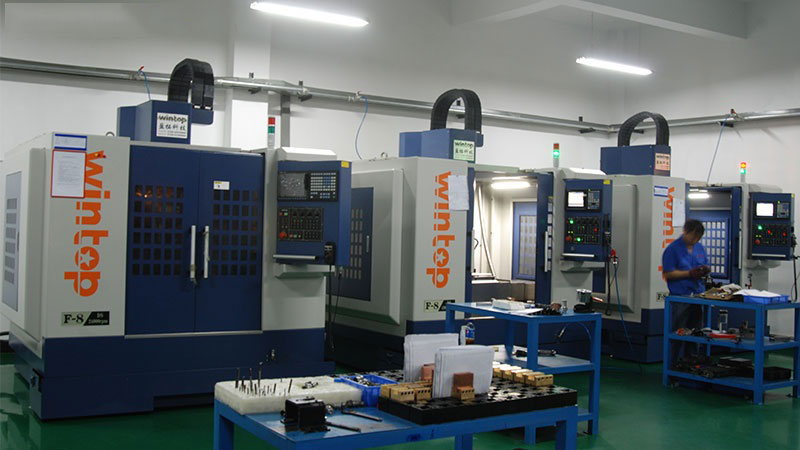
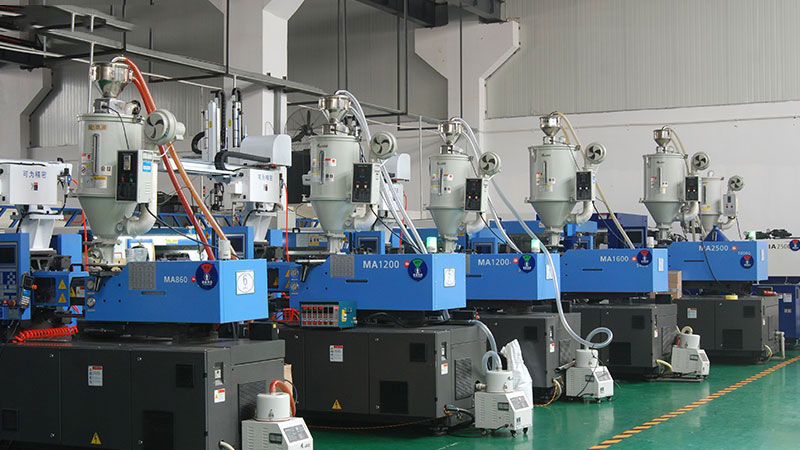
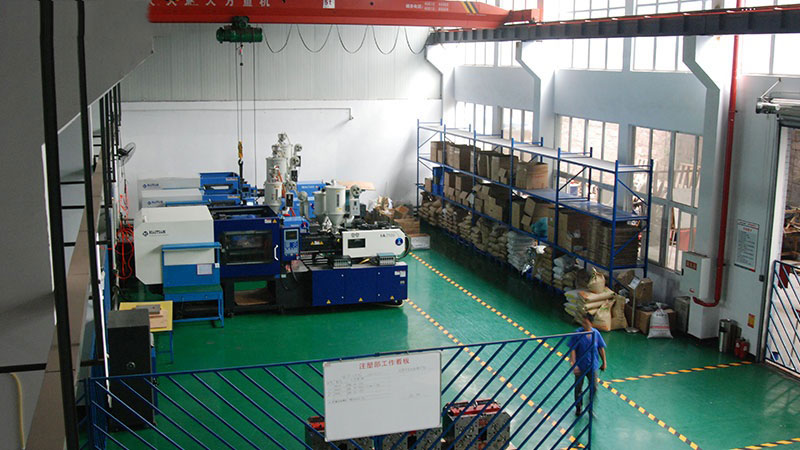
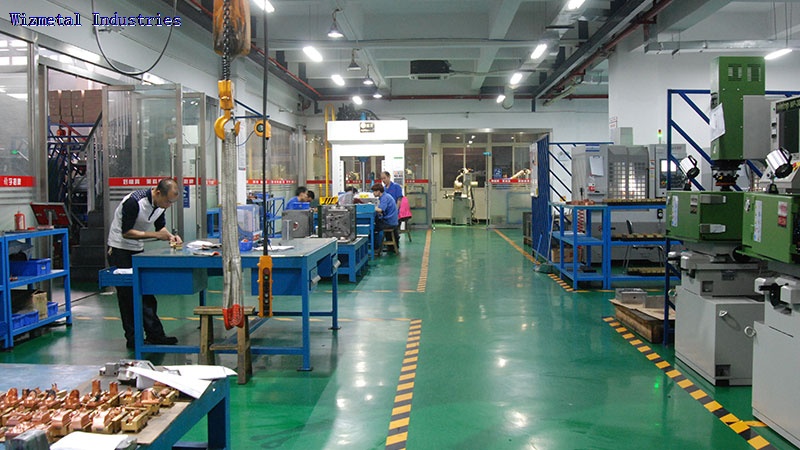
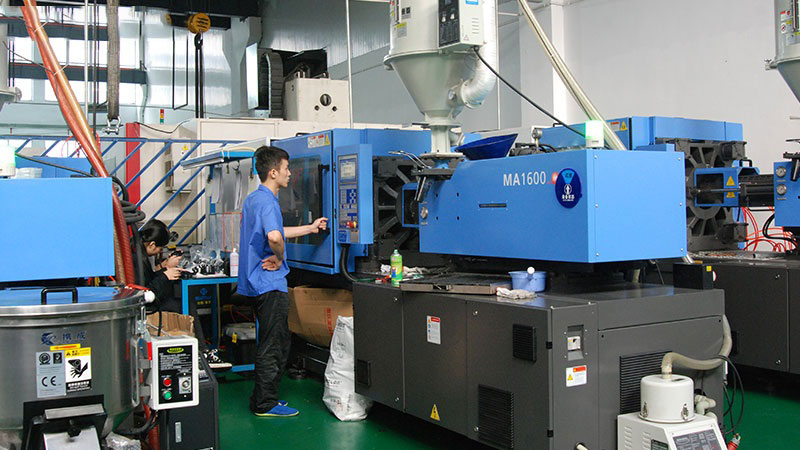
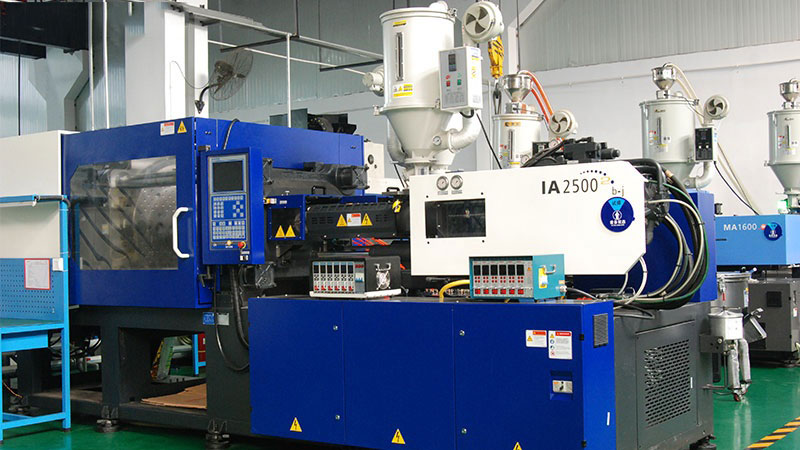
The foundation of a successful import project lies in meticulous supplier verification. The term “manufacturer” can be ambiguous, as many companies acting as intermediaries present themselves as factories. Your first critical step is to conduct thorough due diligence. Begin by requesting detailed business licenses and requesting a virtual or recorded video tour of the production facility. A genuine manufacturer will readily showcase their workshop, machinery, and ongoing projects. Pay close attention to their equipment; modern injection mold machines and dedicated R&D areas for mold design are positive indicators. Furthermore, utilize international business verification platforms to check their export history and legal standing. This process filters out trading companies and ensures you are dealing directly with a capable producer, saving you from potential markups and communication breakdowns.
Once you have a shortlist of potential partners, shifting the conversation to technical expertise and material science is paramount. Not all silicone is created equal. A proficient China mold factory will have deep knowledge of different silicone grades—such as food-grade platinum-cure silicone for culinary uses or high-temperature-resistant varieties for industrial applications. Engage their engineering team in a detailed discussion about your specific requirements: part geometry, expected production volume, required tolerances, and end-use environment. Inquire about their experience with similar projects and request physical samples of their previous work. This due diligence extends to their process capabilities, including whether they handle the entire process from CAD design and mold flow analysis to the final injection mold or casting process, ensuring accountability and quality consistency from start to finish.
A clear and legally robust contractual framework is non-negotiable for international procurement. Your agreement must go beyond just price and delivery terms. It should explicitly define all critical specifications: the exact silicone material grade (with data sheets), mold steel type, surface finish requirements, tolerance standards (ISO or ASME), and the expected mold lifespan in cycles. Crucially, incorporate milestone-based payments tied to objective deliverables, such as approval of 3D design, first article inspection reports, and pre-shipment testing. The contract must also detail the protocol for handling defects, revisions, and intellectual property (IP) protection. Stipulate that all design files and molds are your exclusive property. This document is your primary tool for managing risk and aligning expectations with your chosen silicone mould manufacturers in China.
Proactive quality control cannot be an afterthought; it must be integrated into every stage of production. Relying solely on the supplier’s final inspection is a common and costly mistake. Instead, implement a multi-stage QC protocol. Start with a Design for Manufacturability (DFM) review, where the factory provides feedback on your design to improve moldability and reduce costs. Insist on First Article Inspection (FAI) with comprehensive dimensional reports before mass production begins. For ongoing production, hire a trusted third-party quality inspection service to conduct During Production Inspection (DPI) and Final Random Inspection (FRI) at the factory floor. These inspectors will check for consistency, material integrity, and workmanship against your approved sample. This layered approach to quality control provides transparency and prevents the shipment of substandard goods.
The final phase, encompassing logistics and long-term partnership, determines the ultimate success of your project. Discuss Incoterms 2020 explicitly—terms like FOB (Free On Board) or EXW (Ex Works) define responsibilities and costs for shipping and insurance. For delicate silicone or injection molds, ensure proper packaging is specified to prevent damage in transit. Upon receipt, conduct your own thorough inspection. A successful initial order should pave the way for a strategic partnership. Provide constructive feedback and discuss future needs. A reliable supplier becomes a valuable extension of your team, offering insights for cost-down engineering on new projects and ensuring consistent supply. This long-term perspective transforms a transactional purchase into a sustainable competitive advantage.
In conclusion, importing silicone moulds from China in 2026 offers tremendous value but requires a disciplined, informed approach. By prioritizing rigorous supplier verification, engaging in deep technical discussions, securing a detailed contract, enforcing staged quality control, and planning for logistics and partnership, you significantly mitigate risks. The goal is to move beyond simply finding a vendor to cultivating a collaborative relationship with a competent China mold factory. This strategic methodology empowers you to leverage China’s manufacturing prowess effectively, ensuring you receive high-quality, reliable molds that meet your precise specifications and contribute directly to your product’s success in the global market.
Work With Us
As a professional China mold manufacturer, we provide one-stop mold solution for overseas buyers.
📞 Phone: +86-18605944639
💬 WhatsApp: +8618605944639
🌐 Website: bestmoldworks.com
📧 Email: [email protected]