Blog

  • china injection mold factory: Ultimate Guide for Buyers 2026

    For global businesses, sourcing injection molds from China remains a strategic move to balance high quality with significant cost efficiency. However, navigating the vast landscape of manufacturers can be daunting. This guide is designed to cut through the noise and provide you with a clear, actionable roadmap for successful procurement in 2026. We will move beyond generic advice to address the real challenges you face in supplier verification, communication, quality control, and logistics, ensuring your partnership with a China mold factory is profitable and seamless.

    Mastering Supplier Verification and Selection

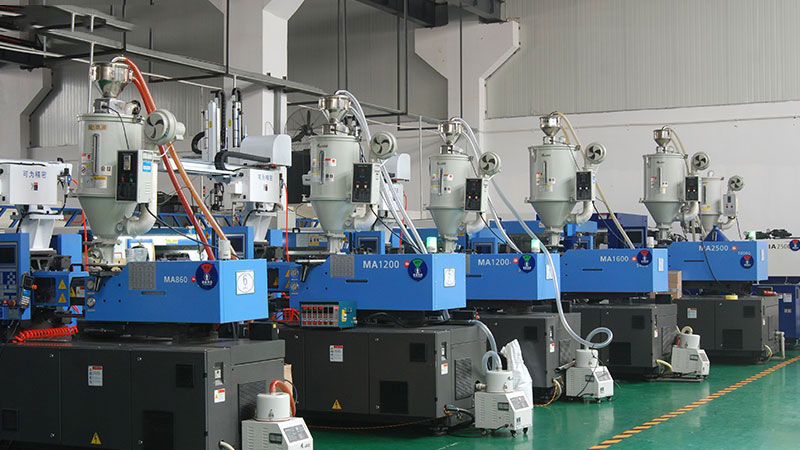
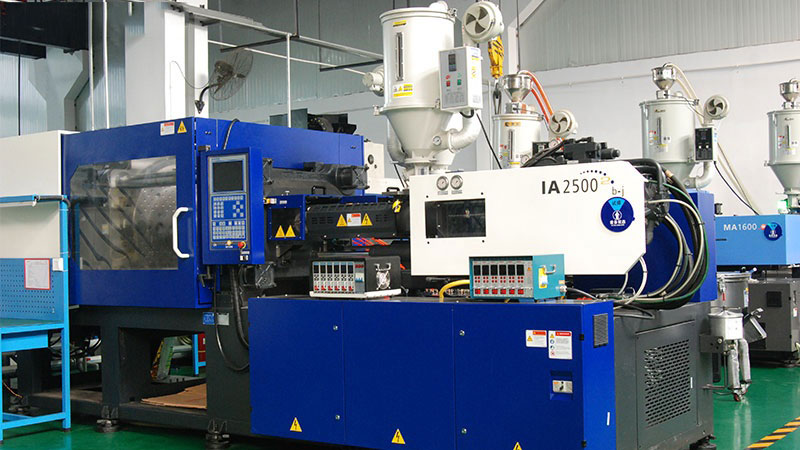
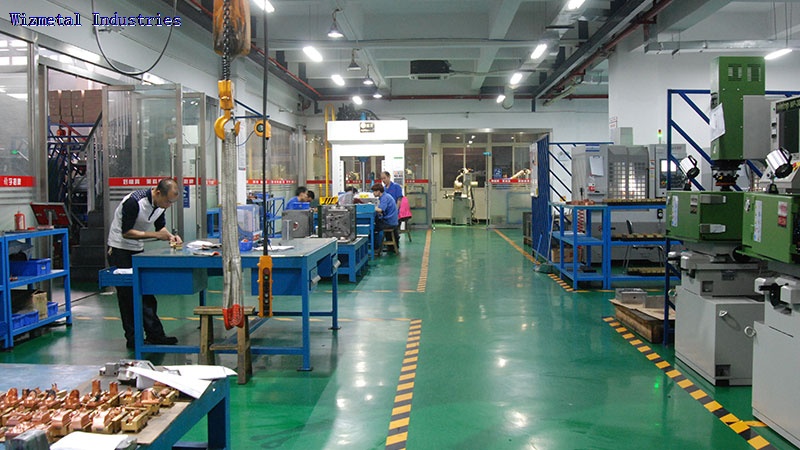
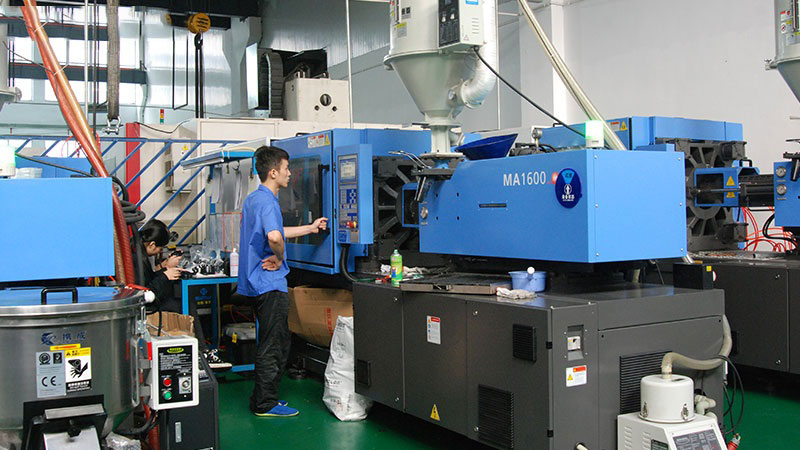
    The foundation of a successful import project is choosing the right partner. Simply searching “china injection mold factory” online yields thousands of results; the key is systematic verification. Start by scrutinizing the manufacturer’s digital footprint. A professional website with detailed case studies, technical capabilities, and client testimonials (preferably from your region) is a positive indicator. However, go further. Utilize third-party verification platforms to check business licenses and export credentials. For critical projects, insist on a video tour of the facility. This allows you to assess their machinery (look for modern CNC, EDM, and injection molding machines), workshop organization, and quality control stations in real-time. Prioritize factories with direct experience in your industry, whether automotive, medical, consumer electronics, or packaging. A specialized China mold factory will understand the specific material, tolerance, and certification requirements your sector demands.

    Streamlining Communication and Technical Alignment

    Miscommunication is the primary source of errors, delays, and cost overruns. To mitigate this, invest time in creating an exceptionally clear and comprehensive Request for Quotation (RFQ). Your RFQ should include not just part drawings (in a universal format like .STEP or .IGES) but also a detailed specification sheet covering material type (including brand and grade), critical tolerances, surface finish requirements (SPI standards), expected cavitation, and target production volume. During discussions, confirm the project lead and engineering point of contact. Use marked-up drawings and shared screens during video conferences to clarify details. Be aware of the cultural emphasis on harmony; directly ask about potential challenges or feasibility concerns. Establishing a single, clear communication channel and documenting all agreements in a technical contract is non-negotiable for aligning expectations with your chosen injection mold supplier.

    Implementing Proactive Quality Control Protocols

    Relying solely on final inspection is a high-risk strategy. Instead, build a multi-stage quality control process into your contract. The first critical milestone is the Design for Manufacturability (DFM) report. A competent china injection mold factory will provide a detailed DFM, highlighting potential issues and suggesting optimizations for moldability, strength, and cost. Review this meticulously before steel is cut. The next checkpoint is the First Article Inspection (FAI). Upon mold trial, insist on receiving sample parts, a full inspection report (dimensional, visual, and material), and photos/videos of the mold itself. For high-value projects, engage a local third-party quality inspection firm to conduct an on-site Pre-Shipment Inspection (PSI) when production samples are ready. This independent audit verifies dimensions, function, and packaging. Clearly define Acceptable Quality Levels (AQL) for any future production runs. This layered approach shifts quality assurance from a reactive to a proactive process.

    Navigating Logistics, IP Protection, and Total Cost

    Understanding the full financial and legal picture is crucial. When comparing quotes, ensure they are like-for-like. Does the price include mold design, DFM, trial reports, and standard mold bases? What are the payment terms? A common structure is 50% deposit, 40% upon trial approval, and 10% before shipment. For intellectual property protection, a well-drafted Non-Disclosure Agreement (NDA) is your first line of defense. Consider registering your design patents in China. While not a perfect shield, it provides legal recourse. Discuss ownership of the mold design and physical tooling explicitly in your contract. Regarding logistics, clarify Incoterms. FOB (Free On Board) is common, meaning you control the shipping line and insurance once the mold leaves the Chinese port. Factor in shipping costs, import duties, and potential tariffs into your total landed cost calculation. A reliable partner will assist with commercial invoice preparation and export documentation to ensure smooth customs clearance in your country.

    Conclusion

    Importing injection molds from China in 2026 is not merely about finding the lowest price; it is about building a reliable, transparent, and technically proficient partnership. By methodically verifying suppliers, enforcing clear communication, implementing staged quality controls, and understanding the total cost and legal framework, you significantly de-risk the procurement process. The competitive advantage gained from accessing world-class manufacturing capabilities at competitive costs is substantial. Approach your next project with this strategic framework, and your collaboration with a professional China injection mold factory will become a cornerstone of your product development and manufacturing success.

    Work With Us

    As a professional China mold manufacturer, we provide one-stop mold solution for overseas buyers.
    📞 Phone: +86-18605944639
    💬 WhatsApp: +8618605944639
    🌐 Website: bestmoldworks.com
    📧 Email: [email protected]
  • Mold for rubber parts: Expert Tips & Solutions 2026

    Importing a mold for rubber parts from China remains a strategic decision for global manufacturers seeking cost-effective, high-quality tooling solutions. The landscape, however, is nuanced. Success hinges not merely on finding a low price but on navigating technical specifications, supplier verification, and rigorous quality control. As we look toward 2026, the challenges of communication, technical alignment, and project management are evolving. This guide provides expert tips and actionable solutions tailored for overseas buyers to streamline procurement, mitigate risks, and ensure a successful partnership with a China mold factory.

    The cornerstone of a successful project is selecting the right partner, not just the lowest bidder. Begin your procurement process with deep technical clarity. A precise Request for Quotation (RFQ) is non-negotiable. Beyond part drawings, include comprehensive material specifications for the final rubber compound, expected production volume, tolerance requirements, and critical surface finish areas. Specify the type of rubber molding process intended, such as compression, transfer, or liquid injection molding, as this directly impacts the mold design. Providing a 3D model (STEP or IGES) alongside 2D drawings minimizes ambiguity. This upfront rigor filters out suppliers who cannot meet your technical demands and attracts competent factories. When evaluating responses, scrutinize the proposed mold design, including gate location, venting, cooling channel layout, and ejection system. A professional China mold factory will proactively discuss these elements, demonstrating their expertise in crafting a durable and efficient mold for rubber parts.

    Supplier verification in 2026 extends far beyond a website audit. Due diligence must be multi-layered. First, verify business licenses and export credentials. Second, insist on a virtual or, ideally, an in-person factory audit. Examine their workshop for modern CNC, EDM, and precision grinding equipment essential for high-quality injection mold manufacturing. Critically, request to see physical samples of previous rubber part molds and finished components. Assess the wear on old molds and the quality of the produced rubber parts. Contact past international clients for references, asking about communication, problem-solving, and post-sales support. Utilize third-party inspection services for an unbiased evaluation of their quality management systems. A reliable partner will be transparent throughout this process. Remember, you are investing in a long-term asset; the mold’s longevity and performance are directly tied to the manufacturer’s craftsmanship and integrity.

    Proactive quality control is your most powerful risk mitigation tool. Do not wait until the final inspection to discover issues. Implement a staged inspection protocol. The first inspection should occur after the mold base and core/cavity blocks are machined but before heat treatment. The second, critical inspection is after heat treatment and final precision machining to verify hardness and critical dimensions. The final pre-shipment inspection must include a Trial Run Report. This is non-negotiable for a rubber mold. Insist on a video-recorded trial using a material similar to your specified rubber compound. The report should document process parameters, cycle times, and include measurements of sample parts, along with high-resolution photos of the parts and the finished mold. This process validates the mold’s functionality and part quality before it leaves the factory. Clearly define acceptance criteria for part dimensions, flash, and visual defects in your purchase contract.

    Clear communication and project management frameworks are vital for bridging the geographical and cultural gap. Establish a single point of contact on both sides who possesses technical English proficiency. Use visual aids—marked-up screenshots, video calls over the mold—to discuss issues. Implement a structured project timeline with agreed-upon milestones for design approval, inspections, and trial runs. Utilize project management tools for tracking. Furthermore, understand the commercial terms deeply. Incoterms 2020 should be explicitly stated; FOB is common, but clarify responsibilities for inland logistics. Discuss payment terms that balance risk; a common structure is 30-40% deposit, 50-60% before shipment, and sometimes a 10% retention after successful trial at your facility. Ensure all technical data, warranty terms for mold life and repair, and ownership of design are detailed in a formal, enforceable contract.

    The journey does not end when the mold ships. Planning for the long-term relationship is a hallmark of savvy procurement. Discuss and agree on post-sales support terms. Will the China mold factory provide spare components like ejector pins or seals? What is their policy and cost structure for mold repair or modification? Establishing a framework for future collaboration, whether for additional cavities, new part molds, or maintenance, turns a transactional purchase into a strategic partnership. This ongoing relationship can lead to improved efficiencies and cost savings on future projects, making your initial investment in thorough vetting pay continuous dividends.

    Successfully importing a mold for rubber parts from China in 2026 demands a blend of technical diligence, rigorous verification, and strategic partnership management. By moving beyond price-focused procurement to a value-driven approach that emphasizes clear communication, staged quality control, and long-term planning, overseas buyers can unlock the significant advantages of Chinese manufacturing. The goal is to secure not just a tool, but a reliable production asset from a verified supplier that delivers consistent, high-quality rubber components for years to come. Embrace these expert solutions to transform a complex international procurement into a streamlined and confident investment.

    Work With Us

    As a professional China mold manufacturer, we provide one-stop mold solution for overseas buyers.
    📞 Phone: +86-18605944639
    💬 WhatsApp: +8618605944639
    🌐 Website: bestmoldworks.com
    📧 Email: [email protected]
  • custom plastic injection mold Manufacturerturer: Ulti 2026

    Navigating the landscape of custom plastic injection mold manufacturing in China can be the single most impactful decision for your product’s success, timeline, and bottom line. As we move into 2026, the market is more sophisticated and competitive than ever. For overseas buyers, the promise of cost efficiency and advanced manufacturing capabilities is clear, but the path to securing a truly reliable partner is fraught with potential pitfalls. This guide cuts through the noise to provide a professional, actionable framework for your procurement process. We will address the core challenges—from supplier verification to stringent quality control—and deliver concrete solutions to ensure your project lands in the right hands.

    Mastering Supplier Verification Beyond the Website

    The initial search for a China mold factory will yield hundreds of options, making verification the critical first filter. In 2026, due diligence must go far beyond a polished website and swift email responses. Begin with a multi-platform check: cross-reference their company presence on professional manufacturing platforms like Made-in-China or Alibaba with their independent site and social media activity, such as LinkedIn. Look for consistent branding and messaging. Next, insist on a virtual facility tour via video call; a reputable custom plastic injection mold manufacturer will readily showcase their shop floor, machinery brands (e.g., DMG Mori, Sodick), and cleanroom environments. Crucially, request and contact references for past overseas clients with similar project scopes. Ask specific questions about communication, problem-solving, and adherence to schedule. This triangulation of data points builds a foundation of trust before any technical discussion begins.

    The Technical Dialogue: Defining Specifications and Expectations

    A successful partnership hinges on a perfectly aligned technical understanding. To avoid costly revisions, your Request for Quotation (RFQ) package must be exhaustive. Beyond part drawings, include material specifications, expected annual volumes, cosmetic requirements (e.g., SPI finish standards), and critical tolerances. Engage in a detailed design for manufacturability (DFM) review with your shortlisted suppliers. A proficient injection mold maker will proactively suggest modifications to part geometry, gate locations, and ejection strategies to enhance mold longevity and part quality. Discuss and agree upon the mold lifespan—expressed in number of shots—based on your production volume. This stage is where you evaluate their engineering prowess, not just their pricing. Clarify all expectations regarding deliverables: are 3D mold models, daily sample reports, and full inspection data part of the standard package?

    Implementing a Rigorous Quality Control Protocol

    Quality control cannot be an afterthought; it must be engineered into the process from day one. For overseas buyers, a transparent and documented QC process is your primary safeguard. Mandate a staged inspection plan with your chosen China mold factory. Key milestones include: First Article Inspection (FAI) after initial sample shots, using Coordinate Measuring Machine (CMM) reports to validate critical dimensions; a T1 sample evaluation for form, fit, and function; and a final pre-shipment audit. Insist on documented evidence at each stage—high-resolution photos, video of mold operation, and material certification. For higher-volume projects, consider engaging a local third-party inspection service for an unbiased assessment during the T1 sample phase. Define acceptable quality limits (AQL) for production parts upfront. This proactive, evidence-based approach shifts quality from a hopeful outcome to a managed, verifiable process.

    Navigating Logistics, IP Protection, and Post-Sales Support

    The business terms surrounding the mold build are as vital as the technical ones. Clearly define ownership: the mold should be your property, with all design files and intellectual property protected by a comprehensive Non-Disclosure Agreement (NDA) and contract that specifies jurisdiction. Discuss and agree on logistics responsibilities—Incoterms 2026 are essential here. Will the supplier handle export documentation and freight to your port, or will you? For the mold itself, ensure proper packaging for ocean freight to prevent corrosion and damage. Finally, secure explicit terms for post-sales support. What is the warranty period for workmanship and materials? How are repair requests or spare part orders handled? A reliable custom plastic injection mold manufacturer will offer a clear support framework, recognizing that the business relationship extends beyond the initial delivery.

    Building a Partnership for Long-Term Success

    The ultimate goal of this meticulous procurement journey is to transition from a transactional buyer-supplier dynamic to a strategic partnership. Consistent, clear communication is the bedrock. Establish a single point of contact on both sides who is technically fluent. Utilize collaborative tools for project management and regular update meetings. View your initial mold project as a test case for larger, ongoing production. A successful collaboration with a verified and capable injection mold supplier in China becomes a significant competitive advantage, enabling you to innovate rapidly and scale production with confidence. The trust and systems built through a transparent process will pay dividends across multiple product lines and lifecycles.

    Conclusion

    Importing a custom plastic injection mold from China in 2026 demands a structured, vigilant, and proactive approach. The landscape rewards informed buyers who invest time in thorough supplier verification, precise technical dialogue, and ironclad quality control protocols. By treating the procurement process as a strategic project in itself—focusing on partnership, transparency, and documented evidence at every stage—you mitigate risk and unlock the immense value offered by China’s manufacturing ecosystem. The right manufacturer is not just a vendor but an extension of your engineering team, crucial for bringing your product vision to market efficiently and reliably. Let this guide be your blueprint for building that essential partnership.

    Work With Us

    As a professional China mold manufacturer, we provide one-stop mold solution for overseas buyers.
    📞 Phone: +86-18605944639
    💬 WhatsApp: +8618605944639
    🌐 Website: bestmoldworks.com
    📧 Email: [email protected]
  • injection molding machine manufacturer in china: Prof 2026

    For overseas buyers, the decision to import molds from China remains one of the most impactful strategies for achieving cost efficiency and scaling production. However, the landscape is evolving rapidly. Simply finding a low-cost **China mold factory** is no longer a guarantee of success or profitability. The true challenge, and opportunity, for 2026 and beyond lies in strategic partnership and technical synergy, particularly with your chosen **injection molding machine manufacturer in China**. This guide cuts through the noise to provide actionable, professional insights for securing not just a mold, but a competitive advantage.

    The core of a successful **injection mold** project extends far beyond the mold cavity itself. It is intrinsically linked to the machinery that will bring it to life. A misalignment between mold design and machine specifications—be it tonnage, shot capacity, platen size, or control system—can lead to catastrophic failures, prolonged debugging, and compromised part quality. Therefore, your procurement process must evolve from seeking a standalone mold maker to identifying partners who either manufacture both or possess deep, collaborative relationships with machine producers. This integrated approach is the cornerstone of “Prof 2026″—profitable, professional, and future-proof procurement.

    Conducting Rigorous Supplier Verification Beyond the Surface

    The first critical step is moving past Alibaba storefronts and glossy brochures. Supplier verification in 2026 requires a multi-layered due diligence process. Start by verifying business licenses and export credentials. Then, delve into technical capability. Do not just ask if they can make your mold; ask which specific models of **injection molding machine manufacturer in China** they design for or partner with. Request video audits of their production floor, focusing on the machine brands you trust (e.g., Haitian, ENGEL, Arburg, or others). Inquire about their standard operating procedures for mold testing: is the mold validated on a machine identical or similar to the one you will use in production? A reliable partner will transparently share this information and often have preferred machine shop partnerships, ensuring a seamless fit between tool and machine.

    Implementing a Phased Quality Control Protocol with Machine Integration

    Quality control cannot be an afterthought confined to a final inspection. It must be a phased protocol integrated from design review to trial run. Insist on a Design for Manufacturability (DFM) report that explicitly considers machine parameters. Following this, define clear milestones for inspection: material certificates for mold steel, precision checks on core and cavity after CNC machining, and a fully documented First Article Inspection (FAI) after the mold trial. The most critical phase is the Trial Run Report (TTR). This must include high-resolution photos and videos of the molded parts, but more importantly, it must document all machine parameters used during the test—injection speed, pressure, temperatures, and cycle time. This report is your guarantee that the mold functions correctly under specific conditions and serves as the essential blueprint for replicating quality in your own facility or at a contract manufacturer.

    Mastering Technical Communication and Intellectual Property Protection

    Clear technical communication is your strongest shield against costly errors. Develop comprehensive, standardized documentation packs for your requests for quotation (RFQ). This should include not only 3D drawings (STEP or IGES files) and 2D specifications but also a detailed list of your intended production machine’s specifications or your performance requirements if sourcing is needed. During negotiations, use a shared terminology glossary to avoid misunderstandings on tolerances, surface finishes (SPI standards), and part acceptance criteria. Simultaneously, address Intellectual Property (IP) protection head-on. Work with a legal professional to draft a robust Non-Disclosure Agreement (NDA) and a product-specific confidentiality agreement. Registering your design in China, where practical, adds an extra layer of protection. A professional supplier respects this process and understands it is a standard part of international **procurement**.

    Building a Partnership for Long-Term Value and Agile Response

    The goal of “Prof 2026” is to transform a transactional purchase into a strategic partnership. Look for suppliers who demonstrate proactive problem-solving, engineering initiative, and a willingness to invest in the relationship. Discuss their capacity for future mold maintenance, repair, and modifications. How do they handle engineering change orders (ECOs)? In an era where supply chains must be agile, a partner who can quickly adapt your tooling for new materials or design tweaks is invaluable. This partnership mindset ensures that when you face production challenges or market opportunities, you have a reliable technical ally, not just a distant vendor.

    Conclusion

    Importing molds from China in 2026 demands a sophisticated, machine-aware approach. Profitability is no longer solely derived from the initial tooling cost but from the total cost of ownership, which includes reliability, production yield, and speed to market. By integrating machine compatibility into your supplier verification, enforcing a phased quality control protocol that captures machine data, mastering technical communication, and fostering a true partnership, you mitigate the traditional risks of overseas procurement. The most successful overseas buyers will be those who recognize that the mold and the machine are two halves of a whole system. Your chosen partner in China must understand this synergy deeply. By applying these professional strategies, you position your project not just for success, but for sustained profitability and growth in the competitive landscape ahead.

    Work With Us

    As a professional China mold manufacturer, we provide one-stop mold solution for overseas buyers.
    📞 Phone: +86-18605944639
    💬 WhatsApp: +8618605944639
    🌐 Website: bestmoldworks.com
    📧 Email: [email protected]
  • Custom molds for candles: Expert Tips & Solutions 2026

    Importing custom molds for candles from China presents a compelling opportunity for overseas businesses to access high-quality manufacturing, innovative designs, and cost-effective production. However, navigating this procurement landscape requires strategic insight to mitigate risks and ensure a successful partnership. As we look toward 2026, the market is more competitive and sophisticated than ever. This guide provides expert tips and actionable solutions tailored for international buyers, focusing on the practical steps to secure reliable, high-precision molds that will define your candle product line.

    The foundation of a successful import project lies in meticulous supplier verification. The term “China mold factory” encompasses a vast spectrum, from small workshops to advanced automated facilities. Your first critical task is to differentiate between them. Move beyond Alibaba listings by conducting deep due diligence. Request business licenses, inquire about export history to your region, and ask for detailed case studies specifically related to candle molds. A professional supplier will readily provide this. In 2026, leverage video conferencing tools to conduct virtual factory tours; insist on seeing their quality control lab and injection mold machinery in operation. Verify their expertise in materials suitable for candle making, such as silicone, aluminum, or steel, and their understanding of draft angles and thermal properties crucial for candle release and detail.

    Once a potential partner is identified, mastering the technical and commercial discussion is key. Clearly communicate your design intent, expected volumes, and candle type (pillar, container, sculptural). Professional factories will offer design for manufacturability (DFM) feedback, suggesting optimizations to your design for easier demolding and longer mold life. Be precise in your requests for quotations. A comprehensive quote should break down costs for the mold tool (the injection mold itself), sample costs, unit piece price, and shipping terms (Incoterms 2020). Understand that a higher initial investment in a precision-made, durable mold from a verified China mold factory often translates to lower per-unit costs and fewer defects over high-volume production runs. Never base your decision on price alone; the cheapest option frequently becomes the most expensive due to quality failures and project delays.

    Implementing rigorous quality control protocols from the start is non-negotiable. Your agreement must include clear, measurable quality benchmarks and inspection milestones. The first critical checkpoint is the First Article Inspection (FAI) once the prototype mold is ready. Before mass production begins, you must receive and thoroughly test physical samples from the actual production mold. Check for dimensional accuracy, surface finish, seam lines, and the ease of candle release. For complex designs, consider hiring a third-party inspection service in China to conduct an on-site inspection during the initial production run. This step verifies the product quality and the factory’s internal QC processes. Proactive quality control prevents the costly mistake of receiving a container load of candles that do not meet your market’s standards.

    Managing logistics, intellectual property (IP), and the partnership for long-term success are the final pillars. Secure a detailed production timeline with buffer periods for revisions. Use secure payment methods that align with project milestones, such as a split of 30% deposit, 40% after sample approval, and 30% before shipment. Protect your designs with a well-drafted Non-Disclosure Agreement (NDA) and ensure your contract stipulates that the intellectual property of the custom molds for candles remains solely yours. Finally, view this procurement as a strategic partnership. A reliable supplier becomes an extension of your team, capable of supporting new product development and adapting to market trends. Clear, consistent communication and treating them as a valued partner foster loyalty and often result in priority service and collaborative problem-solving.

    In conclusion, sourcing custom molds for candles from China in 2026 is a process defined by strategic preparation and informed partnership. The journey from concept to a finished, market-ready product hinges on thorough supplier verification, clear technical communication, unwavering commitment to quality control, and astute commercial and logistical management. By applying these expert tips and solutions, overseas buyers can confidently navigate the complexities of international procurement. The goal is to transform the challenge of distance into your competitive advantage, securing a supply chain partner that delivers not just molds, but innovation, reliability, and the foundation for your brand’s growth in the dynamic candle market.

    Work With Us

    As a professional China mold manufacturer, we provide one-stop mold solution for overseas buyers.
    📞 Phone: +86-18605944639
    💬 WhatsApp: +8618605944639
    🌐 Website: bestmoldworks.com
    📧 Email: [email protected]
  • custom injection mold price: Expert Tips & Solutions 2026

    For overseas buyers, navigating the landscape of custom injection mold price in China presents a significant opportunity tempered by complexity. The initial quote is merely a starting point; the true cost encompasses quality, timeline, and total project success. As we look toward 2026, the strategies for securing both competitive pricing and reliable performance are evolving. This guide cuts through the noise to provide expert, actionable solutions for your procurement journey, ensuring you partner with a China mold factory that delivers value beyond the lowest bid.

    Understanding the true drivers behind a custom injection mold price is your first strategic advantage. A quote is not a random number but a reflection of several core factors. These include mold complexity and size (steel volume), the chosen grade of mold steel (such as P20, H13, or S136), the number of cavities, surface finish requirements (SPI standards), and the level of automation in the mold structure. Furthermore, the manufacturer’s expertise, their quality management system, and their familiarity with international standards directly influence cost. A professional supplier will transparently break down these elements, while an opaque quote often signals future headaches. Your goal is not to find the cheapest injection mold, but to obtain the most accurate and justified price for your specific requirements.

    The cornerstone of a successful project lies in rigorous supplier verification. In 2026, due diligence goes beyond checking a website and requesting a catalog. Start by verifying the China mold factory’s business license and export credentials. Demand evidence of past work: detailed case studies, videos of molds in operation, and, crucially, contactable references from existing overseas clients. Utilize video calls to conduct virtual factory tours; assess the organization of the shop floor, the condition of machinery (EDM, CNC, milling), and the presence of a dedicated quality control department. A reputable partner will welcome this scrutiny. This step filters out trading companies masquerading as manufacturers and identifies true engineering partners, directly impacting the reliability you receive for your quoted custom injection mold price.

    Procurement excellence is defined by a comprehensive and precise Request for Quotation (RFQ). Ambiguity is the enemy of cost control and project success. Your RFQ package must include a fully detailed 3D product design (STEP or IGS format), material specifications, expected annual volumes, and clear tolerance requirements. Crucially, specify your quality expectations upfront: which critical dimensions require CPK reports, what mold flow analysis is expected before manufacturing begins, and what inspection protocols (FAI, PPAP) will be used. By providing this clarity, you enable suppliers to quote accurately and avoid “scope creep” that leads to costly change orders later. This disciplined approach aligns all bidders to the same standard, making price comparisons meaningful and actionable.

    Proactive quality control, integrated from the start, is your financial safeguard. The most expensive mold is one that fails in production. Insist on a staged payment plan tied to key milestones: deposit, approval of mold design (including mold flow analysis), T1 sample approval, and final shipment. Never pay 100% upfront. During the mold manufacturing process, require regular photo and video updates of key stages—machining, polishing, assembly, and first shots. For high-value projects, engage a local third-party inspection company to conduct a Data Dimension Report (DDR) or Initial Sample Inspection Report (ISIR) before the mold leaves the factory. This investment in verification prevents the monumental costs of shipping a non-conforming tool and subsequent rework delays, protecting the total value of your procurement.

    Effective communication and contract clarity are the frameworks that bind all other strategies. Establish a single point of contact on both sides who possesses technical English proficiency. Use visual aids—marked-up drawings, screenshots, and video calls—to eliminate linguistic ambiguity. Your purchase contract must be explicit. It should detail the full technical specification, approved mold steel certificates, delivery terms (Incoterms 2026), warranty period (typically 12-18 months), and responsibilities for repair or maintenance. Clearly outline the process for handling design changes and the costs associated. A professional contract is not a sign of distrust but a blueprint for a successful partnership, ensuring the agreed-upon injection mold delivers as intended in your production environment.

    In conclusion, mastering the dynamics of importing injection molds from China in 2026 requires a shift from price-focused to value-driven procurement. By deeply understanding cost drivers, executing thorough supplier verification, preparing impeccable RFQs, implementing staged quality control, and enforcing clear contracts, you transform the purchasing process from a transactional risk into a strategic advantage. The objective is to build a relationship with a China mold factory that views your success as their own. This partnership approach ultimately yields the optimal balance of quality, reliability, and total cost of ownership, securing your competitive edge in the global marketplace for years to come.

    Work With Us

    As a professional China mold manufacturer, we provide one-stop mold solution for overseas buyers.
    📞 Phone: +86-18605944639
    💬 WhatsApp: +8618605944639
    🌐 Website: bestmoldworks.com
    📧 Email: [email protected]

  • injection moulding machine manufacturers in china: Ex 2026

    For overseas businesses, sourcing injection molds from China remains a strategic move to balance cost, capability, and scale. However, the landscape is evolving rapidly. As we look toward 2026, the process is no longer just about finding the lowest bidder. It is about strategic partnership, technological alignment, and navigating a more sophisticated market. This guide cuts through the noise to provide actionable, real-world strategies for overseas buyers aiming to import high-quality molds from China successfully. We will focus on the critical intersection between your needs and the capabilities of modern Chinese manufacturers, ensuring your procurement journey is efficient, secure, and profitable.

    Mastering Supplier Verification Beyond the Website

    The first and most critical step is moving beyond Alibaba listings and glossy brochures. Effective supplier verification in 2026 requires a multi-layered approach. Start with a deep dive into business credentials using official Chinese platforms like the National Enterprise Credit Information Publicity System to verify legal status and registered capital. However, true verification happens on the factory floor. Insist on a live video audit as a non-negotiable first step. Request to see specific departments: the design office with their CAD/CAE software, the machining center with CNC, EDM, and deep-hole drilling machines, and the trial area with injection moulding machines. Pay close attention to their project management system. A reliable China mold factory will have clear workflows for design review, milestone approvals, and communication protocols. Ask for and contact references from their existing overseas clients, specifically those in your region or industry. This due diligence filters out trading companies masquerading as manufacturers and identifies partners with transparent operational integrity.

    Strategic Communication and Technical Alignment

    A flawless injection mold begins with flawless communication. Technical misunderstandings are the primary cause of delays, cost overruns, and failed projects. To solve this, develop a comprehensive and unambiguous Technical Specification Package. This must go beyond a simple 3D drawing. Include detailed material specifications (steel grade, hardness, surface treatments), part drawings with GD&T tolerances, expected cavitation, lifecycle requirements, and full documentation of the molding process parameters. Mandate a formal Design for Manufacturability (DFM) review before any steel is cut. A competent supplier will provide annotated feedback suggesting improvements for moldability, cooling efficiency, and ease of maintenance. Furthermore, align on the digital tools used. Ensure compatibility in CAD software versions and agree on file formats for all stages. Establishing a single point of contact on both sides who possesses both technical and language skills is invaluable. This process transforms your procurement from a transactional order into a collaborative engineering project.

    Implementing Proactive Quality Control Gates

    Waiting for a First Article Inspection report after the mold is complete is a high-risk strategy. Proactive, staged quality control is the solution. Integrate QC checkpoints at critical manufacturing milestones. These gates typically include: after material procurement (certificate of material review), after rough machining, after heat treatment (hardness test reports), after finishing, and finally, after the trial assembly and sample molding. For each gate, define the inspection method—CMM reports for critical dimensions, mold flow analysis verification at the design stage, and surface finish checks with profilometers. For high-value projects, engaging a reputable third-party quality inspection firm based in China for on-site checks at these milestones is a highly recommended investment. They act as your eyes on the ground, providing objective data and preventing minor issues from becoming major defects. This staged approach ensures the mold is built correctly from the inside out and gives you leverage and visibility throughout the process, rather than just at the final delivery.

    Navigating Logistics, IP, and Contractual Safeguards

    The business and legal framework is as important as the technical one. Start with Intellectual Property protection. A robust Non-Disclosure Agreement (NDA) is standard, but for the mold itself, clearly define ownership in the purchase contract. Stipulate that all design and tooling rights transfer to you upon final payment. Physically, ensure your company name and mold number are permanently engraved on the mold base. For logistics, understand Incoterms 2020 thoroughly. For most mold imports, FOB (Free On Board) is common, giving you control over the main shipping leg and insurance. Work with your chosen China mold factory to ensure proper mold preservation—anti-rust treatment and secure packaging for ocean freight. Your contract must be detailed, covering payment terms linked to milestones (e.g., 30% upon order, 40% after T1 sample approval, 30% before shipment), warranty periods for workmanship and durability, and protocols for handling design changes. A clear contract prevents disputes and sets professional expectations for the entire partnership.

    Building for the Future: The 2026 Partnership Mindset

    The most successful importers in 2026 will view their Chinese suppliers not as vendors but as long-term technical partners. The leading injection moulding machine manufacturers in china are increasingly offering integrated solutions, from product design and mold making to providing production-grade machinery and process optimization. Discuss future roadmaps. Is the supplier investing in automation, Industry 4.0 data tracking for their molds, or advanced technologies like conformal cooling? A partner that evolves with technology can help you stay competitive. Furthermore, a strong relationship often leads to priority scheduling, more favorable pricing on subsequent projects, and a supplier who is deeply invested in your success. This forward-looking approach turns the challenges of international procurement into a sustainable competitive advantage.

    Conclusion

    Importing injection molds from China in 2026 demands a shift from basic sourcing to strategic supply chain management. The journey hinges on rigorous supplier verification, technical precision in communication, staged quality control, and solid contractual foundations. By implementing these actionable steps, you move beyond the uncertainties and position yourself to leverage the immense value offered by skilled injection moulding machine manufacturers in china. The goal is to secure more than a mold; it is to establish a reliable, transparent, and technologically adept partnership that delivers quality, consistency, and innovation for years to come. Your success in this endeavor will be defined by the thoroughness of your process and the strength of the collaborative relationships you build.

    Work With Us

    As a professional China mold manufacturer, we provide one-stop mold solution for overseas buyers.
    📞 Phone: +86-18605944639
    💬 WhatsApp: +8618605944639
    🌐 Website: bestmoldworks.com
    📧 Email: [email protected]

  • how to make custom molding: Expert Tips & Solutions 2026

    For overseas buyers, the prospect of creating custom plastic parts through injection molding in China presents a compelling value proposition: access to advanced manufacturing capabilities at competitive costs. However, the journey from concept to mass-produced part is fraught with potential pitfalls if not navigated with expertise. This guide provides actionable, professional advice for 2026, focusing on the critical steps to ensure your project’s success when partnering with a China mold factory.

    The foundation of a successful custom molding project is a meticulously prepared design and request for quotation (RFQ). A vague inquiry will yield vague and incomparable quotes. Before approaching any supplier, invest in a complete 3D CAD model (STEP or IGS format) and detailed 2D drawings with critical dimensions and tolerances clearly defined. Your RFQ package must specify the intended material (e.g., ABS, PP, PC), expected annual volumes, cosmetic requirements (texture, gloss), and any critical functional tests. This clarity not only accelerates the quoting process but also signals to serious China mold factories that you are a knowledgeable partner, enabling them to provide accurate pricing and feasibility feedback upfront. It is the first, and most controllable, step in learning how to make custom molding efficiently.

    With a solid RFQ in hand, the next critical phase is rigorous supplier verification. In 2026, due diligence goes beyond a website and a price list. Begin by verifying the supplier’s business license and export history. Request and actually contact references from existing overseas clients. The most crucial step is a virtual or, ideally, in-person factory audit. During this audit, scrutinize their engineering team’s capability, the condition and precision of their machining centers (like CNC, EDM), and their in-house injection molding capacity for testing. Assess their project management structure: who will be your single point of contact? A professional China mold factory will have a dedicated project manager who communicates in clear English and follows a structured timeline. This verification process separates commodity workshops from true manufacturing partners.

    Procurement strategy is where cost control and risk management converge. While the mold price is a significant upfront cost, adopt a total-cost perspective. Discuss payment terms strategically; a common and balanced structure is 50% deposit, 40% upon pre-shipment sample approval, and 10% after final delivery. Never pay 100% upfront. Clearly define the mold ownership and intellectual property rights in the contract. Furthermore, negotiate the unit price for the molded parts separately. A reliable supplier will be transparent about part pricing, which includes material, machine time, and labor. This separation gives you flexibility for future production runs and protects your investment in the injection mold tooling itself.

    The ultimate determinant of success is a robust, multi-stage quality control protocol. Do not wait until production to inspect parts. Insist on First Article Inspection (FAI) reports after the initial mold trials. These should include dimensional reports using CMM (Coordinate Measuring Machine) data, material certification, and functional test results. For the injection mold itself, request mold flow analysis reports during the design phase to predict and prevent filling issues, and photographs of the finished mold cavity with precision gauges. For production runs, define an AQL (Acceptable Quality Level) sampling plan and consider engaging a third-party quality inspection service in China for pre-shipment inspections. This proactive approach to quality control mitigates the risk of receiving defective parts overseas, where returns and corrections are exponentially more costly and time-consuming.

    In conclusion, mastering how to make custom molding with Chinese partners in 2026 is a systematic process built on preparation, verification, and continuous oversight. It transforms from a simple procurement task into a strategic partnership. By preparing a comprehensive design package, conducting thorough supplier verification, structuring a smart procurement agreement, and enforcing stringent quality control from design to shipment, you significantly de-risk your supply chain. The goal is to build a collaborative relationship with a China mold factory that views your success as their own, ensuring not just a successful first order but a reliable manufacturing pipeline for years to come. Embrace these expert solutions to turn the complexity of offshore molding into your competitive advantage.

    Work With Us

    As a professional China mold manufacturer, we provide one-stop mold solution for overseas buyers.
    📞 Phone: +86-18605944639
    💬 WhatsApp: +8618605944639
    🌐 Website: bestmoldworks.com
    📧 Email: [email protected]

  • plastic mold China: Professional Buying Guide 2026

    For global businesses, sourcing a plastic mold from China remains a strategic decision to balance exceptional quality with significant cost efficiency. However, the landscape is nuanced. Navigating the vast market of manufacturers, ensuring precise specifications, and maintaining rigorous quality control from thousands of miles away presents a distinct set of challenges. This professional buying guide for 2026 is designed to cut through the noise. We provide actionable, current strategies to help you procure high-quality injection molds from China with confidence, mitigating risks and building a successful, long-term partnership with a reliable China mold factory.

    Mastering Supplier Verification and Qualification

    The foundation of a successful import project is a thoroughly vetted supplier. Moving beyond simple Alibaba listings is crucial in 2026. Start with a multi-layered verification process. First, conduct a deep-dive business license check using official Chinese platforms to confirm legal entity status and registered capital. Second, leverage video conferencing tools to request real-time virtual factory tours; observe workshop organization, machinery brands (e.g., Haitian, Engel, or Sodick), and technician workflow. Third, insist on evaluating physical sample molds that are similar in complexity and material to your project. Pay for these samples if necessary—it is a critical investment. Finally, request and contact references from their existing overseas clients. A reputable China mold factory will transparently provide this information. This due diligence phase filters out trading companies masquerading as manufacturers and identifies partners with genuine capability.

    Precision in Technical Documentation and Communication

    Ambiguity is the primary cause of mold defects, delays, and cost overruns. To solve this, your technical package must be impeccable. Beyond a basic 3D CAD file (STEP or IGS), provide a comprehensive 2D drawing with GD&T (Geometric Dimensioning and Tolerancing) standards. This drawing should explicitly detail critical elements: mold steel grade (e.g., P20, 718, S136 for corrosion resistance), surface finish specifications (SPI standards), cavity pressure points, gate type and location, ejection mechanism, and cooling channel layout. For your injection mold, specify the intended production material, expected annual volume, and cycle time target. Utilize collaborative project management tools (like Basecamp or even a dedicated WhatsApp Business group with key engineers) for daily updates. Assign a single, technically proficient point of contact on both sides to centralize communication and prevent misinterpretation.

    Implementing Proactive and Phased Quality Control

    Waiting for the First Article Inspection (FAI) at the end of the build is a high-risk strategy. Modern procurement demands integrated, phased QC. Implement a milestone-based inspection protocol. Key checkpoints include: a material certification review for the mold steel, a T1 sample inspection from the first mold trial (using the correct material on the supplier’s machine), and a final pre-shipment audit. For each phase, define clear Acceptance Quality Limits (AQL). Consider engaging a reputable third-party quality inspection firm located in the manufacturer’s region for the T1 and pre-shipment stages. They can provide unbiased reports with photos and videos of the mold trial, part measurements, and assembly tests. This phased approach identifies issues early—such as sink marks, warpage, or dimensional inaccuracies—when they are less costly and time-consuming to correct compared to post-shipment discoveries.

    Navigating Logistics, IP Protection, and Total Cost

    The journey does not end when the mold is approved. Understand Incoterms 2020 thoroughly; FOB is common, but EXW might offer more control over logistics partners. Ensure the China mold factory provides proper export packaging—typically a wooden crate with waterproofing and shock absorption—to prevent transit damage. Intellectual Property (IP) protection is a valid concern. While a strong contract with NDAs and IP clauses is essential, practical steps are more powerful. Register your design in China if possible. More effectively, work with your supplier to break the mold manufacturing into stages, releasing payment for each completed phase. This builds trust and interdependence. Finally, calculate the Total Cost of Ownership (TCO), not just the mold price. Factor in shipping, insurance, import duties, potential spare parts, and future maintenance. A slightly higher initial quote from a superior supplier often results in a lower TCO due to longer mold life, fewer production stoppages, and consistent part quality.

    Building a Partnership for Long-Term Success

    View your procurement not as a transaction, but as the beginning of a partnership. After successful completion of the first project, schedule a post-mortem meeting to discuss what went well and what could be improved. Discuss future needs and the potential for frame agreements. A reliable partner becomes an extension of your engineering team, offering valuable insights on design for manufacturability (DFM) to optimize future parts for cost and performance. This collaborative relationship ensures that as your product line evolves, your supply chain for critical tooling like your plastic mold from China remains robust, agile, and trustworthy.

    Conclusion

    Importing a plastic mold from China in 2026 requires a methodical, informed approach that prioritizes verification, clarity, and proactive management. By rigorously qualifying your China mold factory, enforcing precise technical communication, implementing phased quality control, and strategically managing logistics and IP, you transform a complex overseas procurement into a streamlined, successful operation. The goal is to secure not just a tool, but a competitive advantage—a high-precision injection mold that delivers consistent, cost-effective production for years to come. With this professional guide as your roadmap, you are equipped to navigate the market confidently and establish a supply chain partnership that drives your business forward.

    Work With Us

    As a professional China mold manufacturer, we provide one-stop mold solution for overseas buyers.
    📞 Phone: +86-18605944639
    💬 WhatsApp: +8618605944639
    🌐 Website: bestmoldworks.com
    📧 Email: [email protected]

  • plastic injection mould Manufacturerturer in China: Co 2026

    For overseas businesses, sourcing a reliable plastic injection mould manufacturer in China remains a cornerstone strategy for achieving competitive advantage. The landscape, however, is perpetually evolving. As we look toward 2026, the process involves more than just finding the lowest quote. It demands a strategic, informed approach to navigate a market rich with both opportunity and complexity. This guide is designed to cut through the noise and provide actionable, practical steps for international procurement teams to successfully partner with a top-tier China mold factory. We will focus on solving real problems—from initial supplier verification to final quality assurance—ensuring your investment in an injection mold delivers value, precision, and reliability.

    The foundation of a successful import project lies in meticulous supplier verification. The term “manufacturer” can be misleading, as many trading agents present themselves as factories. Your first actionable step is to conduct deep due diligence. Begin by requesting a business license and verifying the company’s official name and address. Utilize video calls to request a real-time virtual factory tour; a legitimate injection mold producer will readily showcase their workshop, machinery like CNC centers, EDM machines, and injection molding presses, and ongoing projects. Furthermore, ask for detailed case studies and contact references from their existing overseas clients, particularly in your region or industry. This proactive verification separates true production partners from intermediaries, mitigating significant risk before any contract is signed.

    Once a potential partner is vetted, translating your requirements into a crystal-clear technical and commercial framework is paramount. Ambiguity is the primary cause of cost overruns and delays. Develop a comprehensive Request for Quotation (RFQ) package that includes not just part drawings, but also a detailed specification document. This should cover the mold base standard, steel grade and hardness, surface finish requirements, tolerance levels, cavity numbering, and expected lifecycle. For the molded part, specify material type, color, critical dimensions, and any post-processing needs. Crucially, align on project milestones, payment terms tied to those milestones, and protocols for design reviews. A professional China mold factory will engage deeply with this document, asking clarifying questions, rather than simply providing a bottom-line price.

    Effective quality control cannot be an afterthought; it must be engineered into the procurement process from day one. For overseas buyers, physical distance makes a robust QC plan non-negotiable. Insist on a staged inspection protocol. First, a pre-production inspection should verify the quality of mold steel and critical components. The most critical stage is the Trial Sample Report (TSR) or First Article Inspection (FAI). Here, you should receive high-definition videos and photos of the trial run, along with dimensional measurement reports of the initial shots using CMM or other tools. Many businesses engage local third-party QC firms to conduct these inspections on their behalf. This objective assessment before shipment ensures the injection mold meets all specifications and produces parts to print, preventing costly rework or rejections after international freight.

    Navigating logistics, intellectual property protection, and long-term partnership dynamics are the final hurdles. Work with your chosen plastic injection mould manufacturer in China to understand Incoterms thoroughly; FOB is common, but clarify responsibilities for domestic freight to the port. For IP protection, a well-drafted Non-Disclosure Agreement (NDA) and a product confidentiality agreement within the contract are essential. Consider registering designs or patents in China for stronger legal standing. Finally, view this procurement as the start of a partnership. A reliable supplier is an asset for future projects and product iterations. Clear communication, documented processes, and fair dealings foster trust. Discuss their capacity for mold maintenance, repair, and future modifications, turning a single transaction into a strategic supply chain relationship.

    As the global manufacturing ecosystem advances toward 2026, the sophistication required to import molds from China successfully has increased. The journey from sourcing to receiving a perfect injection mold hinges on systematic supplier verification, uncompromising clarity in technical communication, embedded quality control measures, and strategic relationship management. By implementing these actionable tips, you move beyond being just a buyer to becoming an informed partner. This approach empowers you to leverage the immense technical expertise and cost-effectiveness offered by a professional China mold factory, transforming the challenge of distance into a reliable pipeline for high-quality tooling and components that drive your product’s success in the global marketplace.

    Work With Us

    As a professional China mold manufacturer, we provide one-stop mold solution for overseas buyers.
    📞 Phone: +86-18605944639
    💬 WhatsApp: +8618605944639
    🌐 Website: bestmoldworks.com
    📧 Email: [email protected]