For overseas buyers, sourcing a custom plastic injection mold manufacturer is a critical step that directly impacts product quality, time-to-market, and overall project cost. The Chinese manufacturing landscape offers immense value, but navigating it requires a strategic, informed approach to mitigate risks and ensure a successful partnership. As we look toward 2026, the benchmarks for reliability, communication, and technological integration are higher than ever. This guide provides actionable, real-world strategies to help you identify and collaborate with a trustworthy China mold factory, transforming a complex procurement process into a streamlined and confident investment.
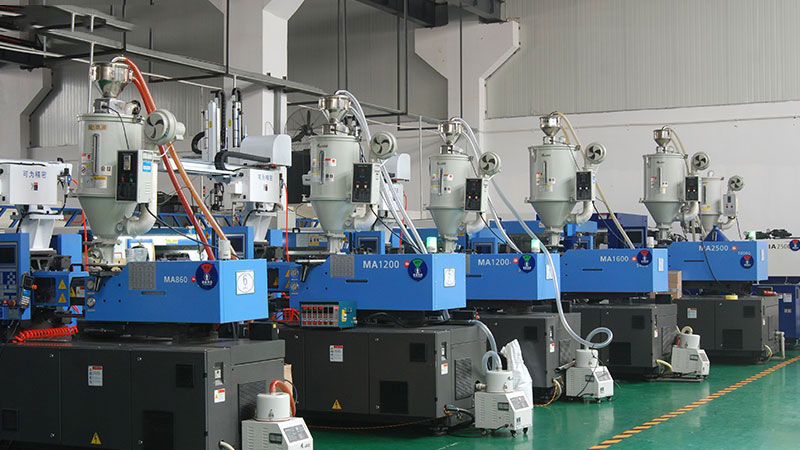
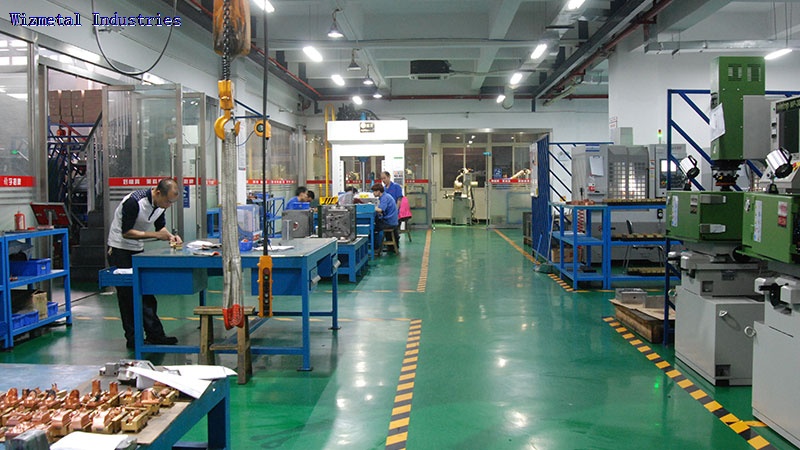
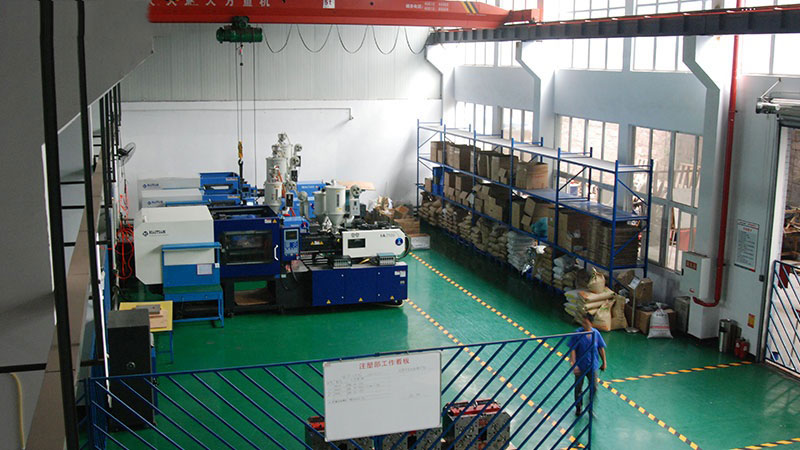
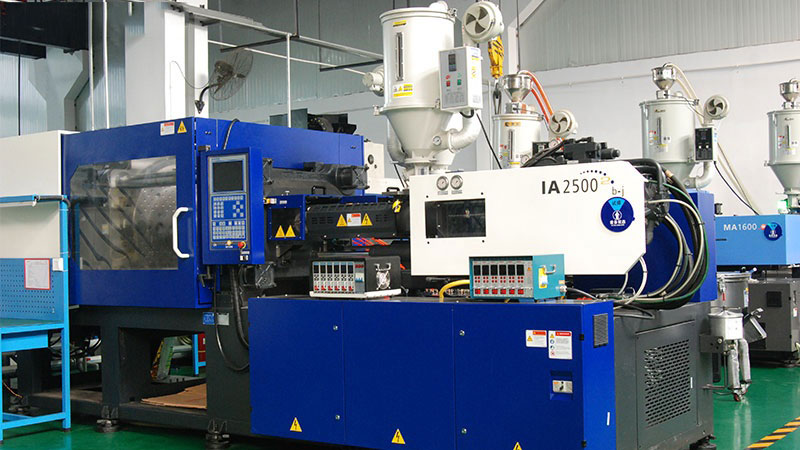
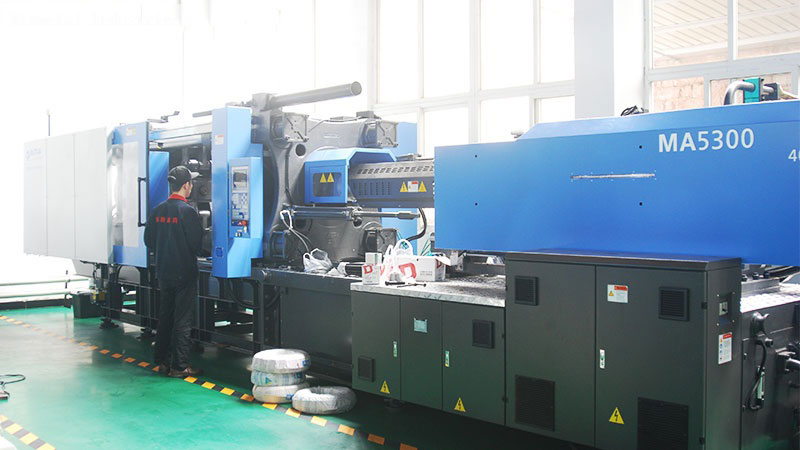
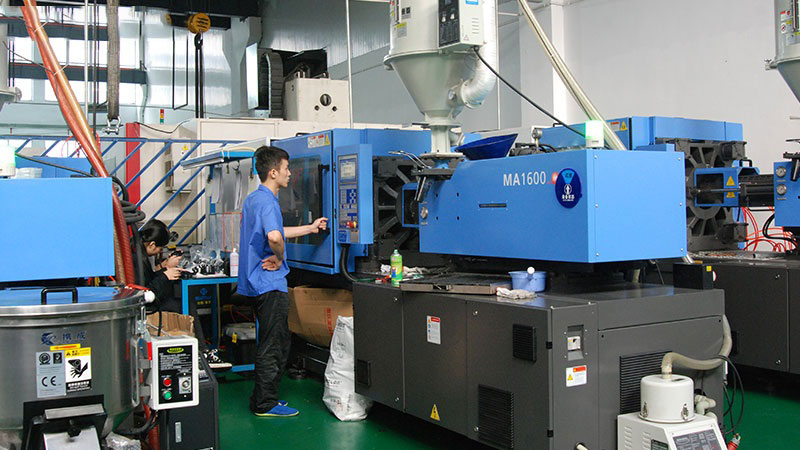
The foundation of any successful import project is thorough supplier verification. Moving beyond a simple website check or Alibaba profile is non-negotiable. Begin by demanding concrete evidence of capability. A reputable custom plastic injection mold manufacturer should readily provide a detailed portfolio of past projects, preferably with client references you can contact. Insist on a virtual or recorded factory tour; a legitimate operation will have no issue showcasing their CNC machining centers, EDM equipment, and injection molding machines. Verify business licenses and export history. Furthermore, assess their engineering team’s proficiency. Early communication should involve technical discussions about your part design—their ability to offer constructive Design for Manufacturability (DFM) feedback is a strong indicator of expertise, not just a machining shop. This due diligence phase filters out middlemen and identifies true partners.
Once a potential partner is identified, mastering the quotation and development phase is crucial. Be wary of quotes that seem unusually low; they often signal corner-cutting on materials, tolerances, or post-processing. A professional injection mold quote should be transparent and itemized, detailing mold base steel grade (e.g., P20, 718, S136), cavity and core material, expected cycle life, surface finish specifications, and all ancillary costs like T1 sample shipping. Clearly define the project milestones: 3D mold design approval, mold fabrication completion, first article inspection (FAI) report, and pre-shipment sample approval. Establish a fixed payment schedule tied to these milestones—a common structure is 30-50% deposit, 40% after mold trial, and the balance before shipping. This protects both parties and ensures alignment throughout the build process.
Proactive and systematic quality control is your most powerful tool to prevent costly defects and delays. Do not assume QC is managed entirely by the supplier. For critical projects, engage a third-party inspection company based in China for pre-shipment inspections. They can verify dimensional accuracy using CMM reports, check surface finishes, and witness sample trials. Before production begins, agree on a comprehensive Quality Control Plan. This should specify the use of mold flow analysis during design, the inspection equipment to be used, and the sample approval procedure. Require high-resolution photos and videos of the mold during key stages: after machining, after polishing, and during the initial trial run. This visual documentation keeps you connected to the process and allows for early intervention if issues arise, long before the mold leaves the factory floor.
Clear communication and meticulous contract management are the glue that holds an international project together. Overcome language and time zone barriers by appointing a single, technically proficient point of contact on both sides. Use detailed drawings with GD&T callouts, not just 3D files, as your legal and technical reference. All specifications—mold life, material certificates, delivery schedule, warranty terms, and ownership of design files—must be explicitly written in a formal purchase agreement. A reliable partner will understand this need for clarity. Furthermore, discuss post-sales support upfront. What is the process for handling wear and tear or damage? Will they provide maintenance guidance? A China mold factory invested in a long-term relationship will have clear answers, ensuring your mold remains productive for its entire lifespan.
As we advance into 2026, the leading custom plastic injection mold manufacturers are distinguishing themselves through digital integration and sustainability considerations. Forward-thinking suppliers now offer secure client portals for real-time project tracking, document sharing, and feedback loops. In your procurement evaluation, inquire about their use of advanced simulation software and their approach to sustainable manufacturing, such as optimizing designs to reduce material waste or energy consumption during molding. Partnering with a manufacturer that embraces these trends future-proofs your supply chain. It signifies a commitment to efficiency, transparency, and continuous improvement—key traits of a world-class injection mold supplier.
Successfully importing a high-quality injection mold from China is a deliberate process built on verification, clear communication, and hands-on quality management. By implementing these practical strategies—from deep-dive supplier vetting to enforcing rigorous QC protocols—you significantly de-risk your procurement. The goal is to move beyond a transactional purchase and build a collaborative partnership with a manufacturer whose reliability aligns with your 2026 product roadmap. With the right due diligence and a structured approach, you can leverage the expertise and value of a Chinese mold factory to gain a formidable competitive advantage, ensuring your plastic components are produced efficiently, precisely, and to the highest global standards.
Work With Us
As a professional China mold manufacturer, we provide one-stop mold solution for overseas buyers.
📞 Phone: +86-18605944639
💬 WhatsApp: +8618605944639
🌐 Website: bestmoldworks.com
📧 Email: [email protected]