For global businesses, sourcing precision tooling from a China mould factory represents a significant strategic advantage, offering a compelling balance of cost-efficiency, technical capability, and scalable production. However, navigating this complex landscape requires updated knowledge and a meticulous approach. As we look toward 2026, the dynamics of procurement are evolving with technology and market maturity. This guide is designed to cut through the noise and provide overseas buyers with a professional, actionable framework for successfully importing injection molds from China, focusing on practical steps for supplier verification, negotiation, and quality control.
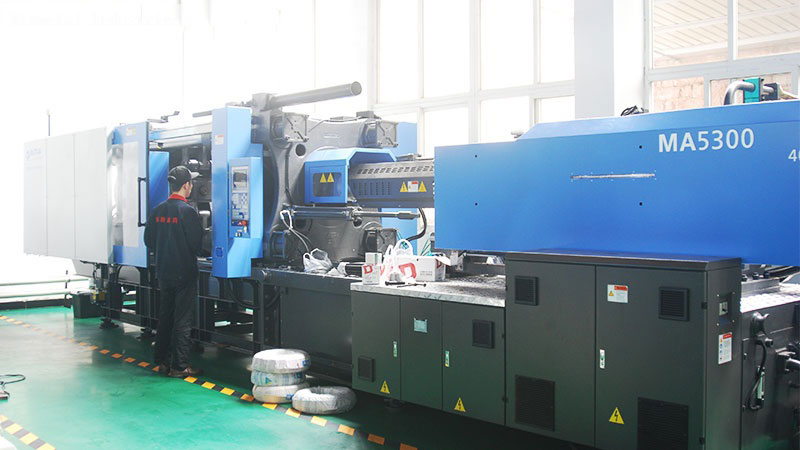
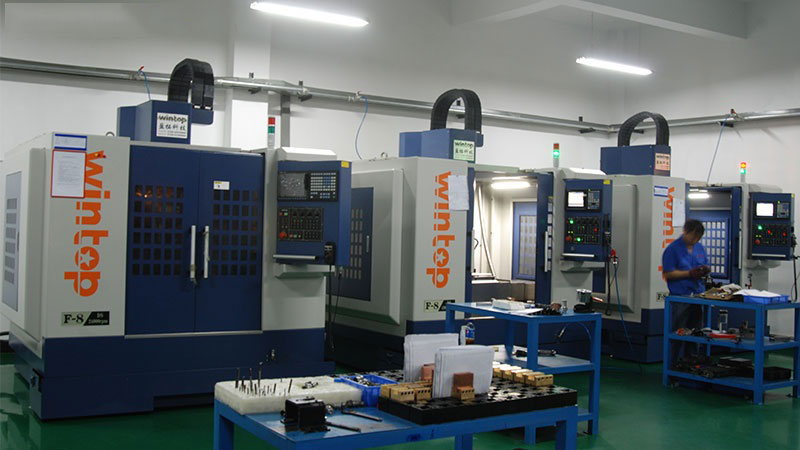
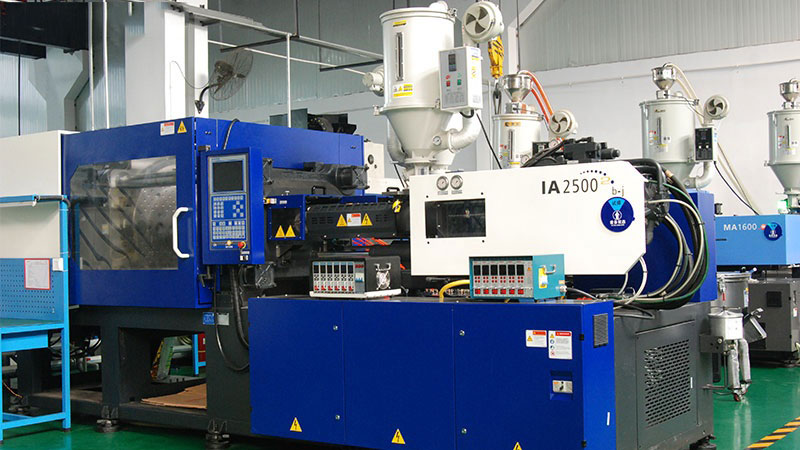
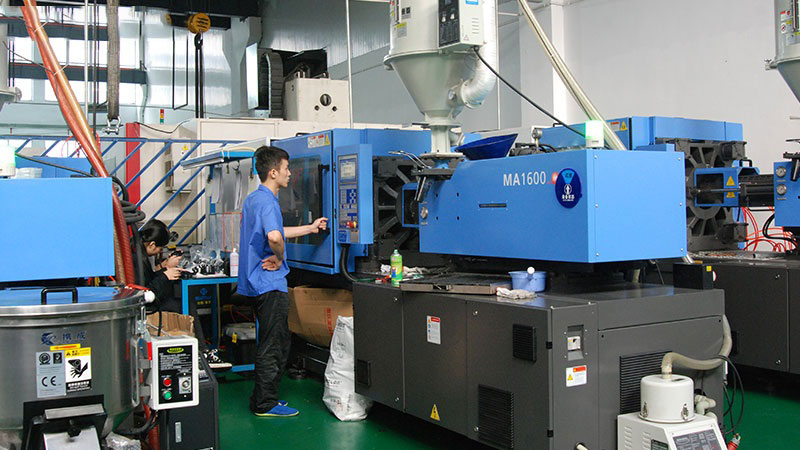
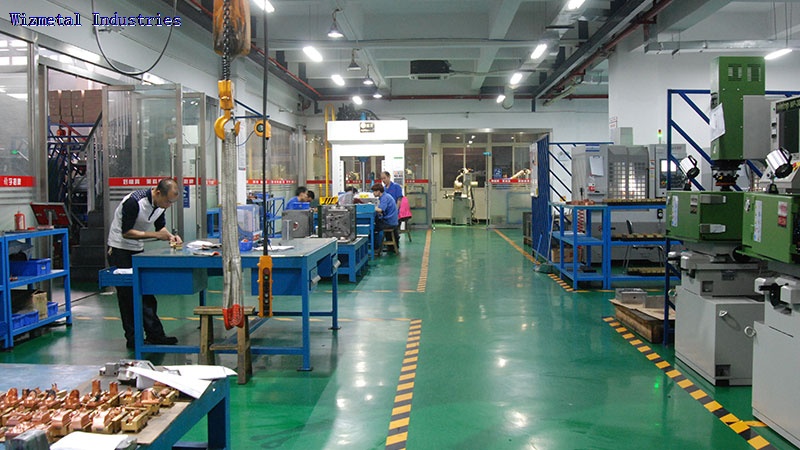
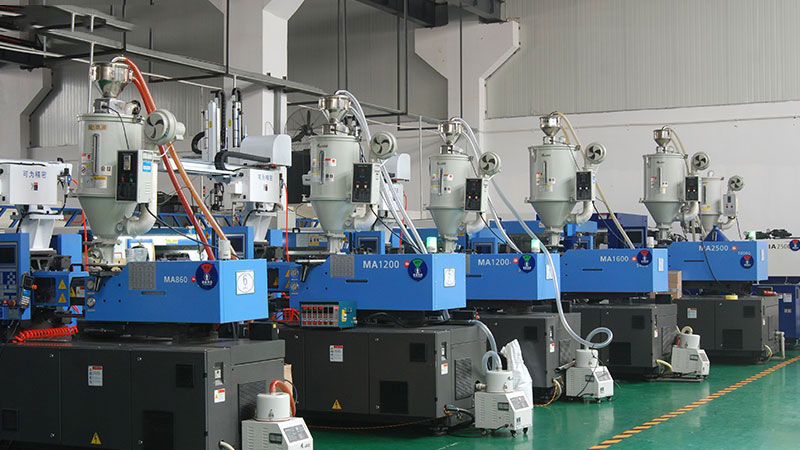
The foundation of a successful import project is thorough supplier verification. Moving beyond a simple Alibaba search is crucial for 2026. Start by identifying manufacturers with proven expertise in your specific industry, whether automotive, medical, consumer electronics, or packaging. Scrutinize their portfolio for projects of similar complexity and material use. A critical step is to verify business licenses and export credentials through official channels. Utilize video conferencing to conduct virtual factory tours; observe the workshop organization, the age and maintenance of machinery (look for CNC, EDM, and CMM machines), and the working environment. Request and contact at least three past international clients for references. This due diligence phase filters out trading companies masquerading as factories and aligns you with a capable China mold factory that has a transparent and professional operation.
Once a shortlist of potential partners is established, mastering the technical and commercial quotation process is your next hurdle. A professional quotation from a reputable supplier will be detailed, breaking down costs for mold design, material (such as P20, H13, or stainless steel), manufacturing, sampling, and post-processing. Be explicit about your requirements: provide comprehensive 3D drawings (STEP or IGES files), specify cavity numbers, expected cycle time, part material, and cosmetic finish (SPI, VDI, or custom texture). For injection mold projects, clearly state your tolerance standards and any critical-to-quality dimensions. In your negotiations, focus on total value, not just the lowest price. Discuss payment terms—a common and balanced structure is 40% deposit, 50% before shipment, and 10% after sample approval. Ensure the quote includes provisions for design reviews and a fixed number of sample iterations.
Implementing rigorous, staged quality control is non-negotiable. A reliable partner will welcome this. Quality assurance begins with the Design for Manufacturability (DFM) report. Insist on a formal DFM review before steel is cut; this is where potential issues are resolved theoretically. The next critical checkpoint is the First Article Inspection (FAI). Upon receiving the initial mold samples, conduct a dimensional inspection against your CAD drawings using a detailed report (often a Dimensional Inspection Report). For plastic parts, also perform material and functional tests. Many buyers engage a trusted third-party inspection company in China to conduct an Initial Sample Inspection Report (ISIR) or a Pre-Shipment Inspection (PSI) at the factory. This independent verification of the mold’s performance and the parts it produces provides an objective layer of security before final payment and shipment.
The final phase encompasses logistics, intellectual property (IP) protection, and building a long-term partnership. Use a clear, detailed mold trial report to document all parameters and sample results. For shipping, understand Incoterms 2020; FOB is common, giving you control over the main freight and insurance. Ensure all shipping marks and documentation are accurate. IP protection remains a top concern. Work under a formal Non-Disclosure Agreement (NDA) and consider registering your designs in China. A trustworthy China mould factory values long-term collaboration and will respect contractual confidentiality. View this procurement not as a one-time transaction but as the start of a strategic alliance. Effective communication, mutual respect, and clear documentation of all agreements are the bedrock of a partnership that can yield consistent quality and innovation for years to come.
Importing molds from China in 2026 demands a blend of traditional procurement diligence and modern, tech-enabled verification processes. The journey from sourcing to shipment hinges on systematic supplier vetting, crystal-clear technical communication, embedded quality control, and astute management of legal and logistical frameworks. By following this structured approach, you transform the inherent challenges of overseas procurement into a reliable, value-driven supply chain pillar. The goal is to move beyond being just a buyer to becoming an informed partner, leveraging the deep manufacturing expertise of a qualified China mold factory to drive your product’s success in the global marketplace.
Work With Us
As a professional China mold manufacturer, we provide one-stop mold solution for overseas buyers.
📞 Phone: +86-18605944639
💬 WhatsApp: +8618605944639
🌐 Website: bestmoldworks.com
📧 Email: [email protected]