Category: Custom molds for resin

  • Mould Supplier In China Mold Maintenance Service 2026 Professional China Factory

    Sourcing high-quality injection molds from China remains our top strategy for controlling production costs without sacrificing precision. Partnering with a forward-looking 2026 manufacturer ensures access to advanced machining and durable mold steels, giving our final products a competitive edge in our home market.

    Clear communication and project management are critical for us. We prioritize suppliers who offer comprehensive DFM analysis and proactive updates throughout the mold-making process, ensuring timelines are met and the final tool performs flawlessly in mass production.

    mould supplier in china

    Work With Us

    As a professional China mold manufacturer, we provide one-stop mold solution for overseas buyers.
    📞 Phone: +86-18605944639
    💬 WhatsApp: +8618605944639
    🌐 Website: bestmoldworks.com
    📧 Email: [email protected]
  • Mold For PC Parts Fast Delivery Guarantee 2026 Trusted China Supplier

    Sourcing high-quality custom injection molds from China requires a manufacturer that prioritizes precision and durability. For our 2026 product lines, we need a partner who guarantees rigorous quality assurance at every stage, from design to final sampling. This ensures our production runs are efficient and defect-free.

    Mold for PC parts

    Clear communication and project management are as crucial as technical skill. We seek a China manufacturer who provides detailed progress reports and transparent timelines. This proactive approach minimizes risks for us as overseas buyers and ensures a smooth, reliable path from concept to delivery.

    Work With Us

    As a professional China mold manufacturer, we provide one-stop mold solution for overseas buyers.
    📞 Phone: +86-18605944639
    💬 WhatsApp: +8618605944639
    🌐 Website: bestmoldworks.com
    📧 Email: [email protected]
  • Mini Plastic Mold For Small Component Parts Pre-Shipment Mold Testing 2026 Trusted China Supplier

    Sourcing high-quality injection molds from China remains a top strategy for controlling production costs without sacrificing precision. As an importer, I need manufacturers who offer transparent pricing and robust engineering support to ensure the mold performs flawlessly in long production runs.

    For 2026, my priority is finding a China-based partner with proven expertise in my specific industry, from automotive to consumer electronics. Reliable communication, strict adherence to timelines, and comprehensive after-sales service are non-negotiable for a successful, long-term supply relationship.

    mini plastic mold for small component parts

    Work With Us

    As a professional China mold manufacturer, we provide one-stop mold solution for overseas buyers.
    📞 Phone: +86-18605944639
    💬 WhatsApp: +8618605944639
    🌐 Website: bestmoldworks.com
    📧 Email: [email protected]
  • china mould manufacturer: Reliable Manufacturers Guide 2026

    For overseas buyers, sourcing precision tooling from a China mould manufacturer presents a compelling value proposition: access to advanced manufacturing capabilities, significant cost advantages, and scalable production. However, the journey from initial inquiry to receiving a perfect mold at your dock can be fraught with challenges. Vetting the sheer number of suppliers, navigating communication gaps, and ensuring uncompromised quality are real concerns. This guide for 2026 cuts through the noise, providing a professional, actionable framework to partner with a reliable China mold factory, securing not just a price, but a valuable long-term asset for your business.

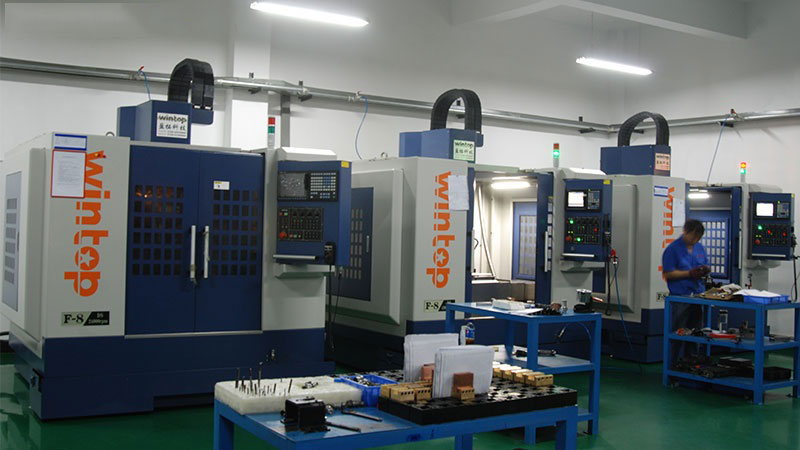
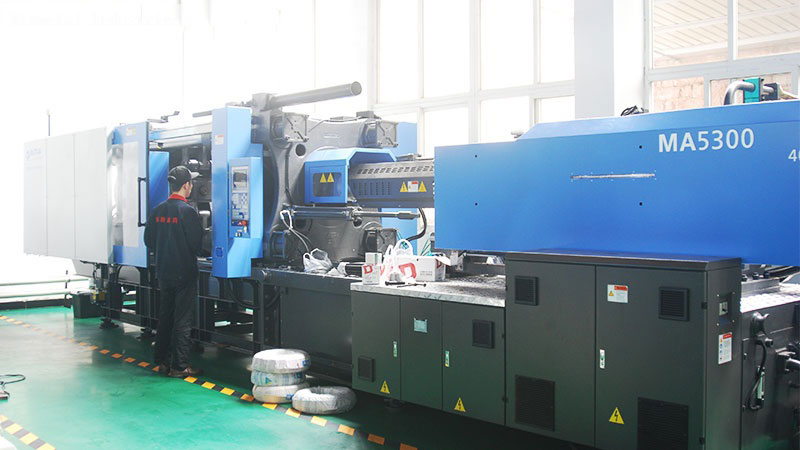
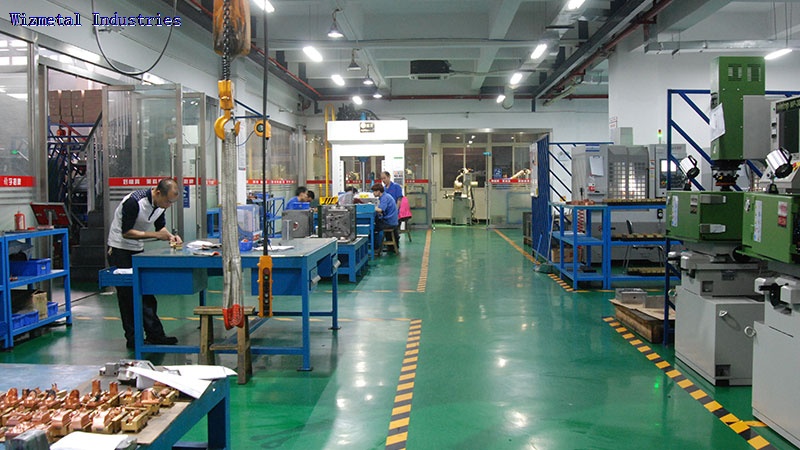
    The cornerstone of successful procurement begins with meticulous supplier verification. In 2026, due diligence goes beyond a polished website. Start by verifying business licenses through official Chinese platforms and cross-referencing registration details. However, true verification is multi-dimensional. Prioritize factories that willingly provide virtual or recorded video tours of their facility, showcasing their CNC machining centers, EDM equipment, and mold trial areas. Scrutinize their portfolio for projects of similar complexity and material to yours. Crucially, request and contact past international clients. A reputable injection mold supplier will have a track record of successful exports and satisfied overseas buyers. This step filters out trading companies masquerading as manufacturers and identifies partners with proven experience in your specific market.

    Once a shortlist is established, mastering the technical and commercial dialogue is critical. The most common point of failure is an ambiguous Request for Quotation (RFQ). Your RFQ must be a comprehensive technical data pack. Include not just part drawings (2D and 3D), but detailed material specifications, expected annual volumes, cavity requirements, and target part cycle times. For injection mold projects, explicitly state the molding machine parameters you intend to use. Clearly outline your expectations for mold life (e.g., 500,000 shots), surface finish standards (SPI, VDI), and delivery milestones. This precision eliminates assumptions, allows for accurate like-for-like quotations, and demonstrates your professionalism, which in turn attracts serious manufacturers. During negotiations, focus on total value, not just the bottom-line mold price. Discuss payment terms (a 30-40% deposit is standard), warranty provisions for workmanship and durability, and protocols for engineering change requests.

    Implementing a robust quality control protocol from the start is non-negotiable. Your agreement should mandate staged inspections with documented evidence. Key checkpoints include a First Article Inspection (FAI) after the mold is machined but before heat treatment, a Trial Run Report with sample parts from their injection molding machine, and a Final Pre-shipment Inspection (PSI). For critical projects, engaging a reputable third-party quality inspection service in China for the trial run and PSI is a highly recommended investment. They can measure samples against your CAD data, perform CMM checks, and assess the mold’s functionality. Furthermore, insist on a detailed mold design review before manufacturing begins. A competent China mould manufacturer will collaborate on this review, optimizing gate locations, cooling channels, and ejection systems for performance and longevity, preventing costly modifications later.

    Building a successful partnership extends beyond the first order. Clear communication channels and strategic relationship management are vital. Designate a single point of contact on both sides, preferably someone with technical English proficiency. Utilize collaborative tools that allow for markups on drawings and shared project timelines. Understand and respect cultural nuances; patience and clarity go a long way. View your chosen China mold factory not as a vendor, but as a technical partner. Provide constructive feedback, pay invoices promptly, and discuss future projects. This fosters loyalty and often results in prioritized service, proactive support, and greater flexibility. In 2026, the most successful importers are those who integrate their Chinese manufacturing partners into their supply chain as an extension of their own engineering team.

    In conclusion, importing molds from China in 2026 remains a strategically sound decision, provided it is approached with a systematic and informed methodology. The landscape is mature, and top-tier manufacturers are eager to build lasting international relationships based on quality and reliability. By rigorously verifying suppliers, communicating with technical precision, enforcing staged quality control, and investing in the partnership, you mitigate the inherent risks. The goal is to transform the procurement process from a transactional cost-saving exercise into a value-adding collaboration. Following this guide will empower you to confidently select a partner that delivers precision tooling, ensuring your product quality, production timeline, and ultimately, your competitive edge in the global market.

    Work With Us

    As a professional China mold manufacturer, we provide one-stop mold solution for overseas buyers.
    📞 Phone: +86-18605944639
    💬 WhatsApp: +8618605944639
    🌐 Website: bestmoldworks.com
    📧 Email: [email protected]
  • custom made plastic products: Best Suppliers & Qualit 2026

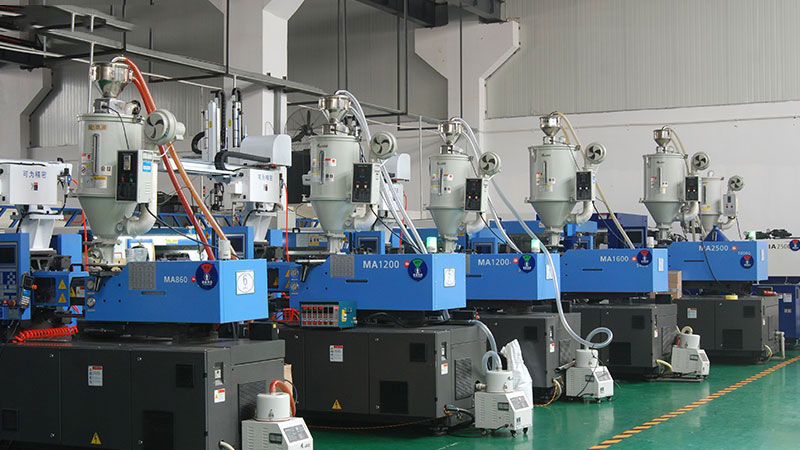
    For overseas buyers and procurement specialists, sourcing custom made plastic products represents a significant opportunity to achieve cost efficiency, design flexibility, and rapid market entry. China remains the global epicenter for mold manufacturing and plastic injection molding, offering an unparalleled ecosystem. However, the journey from concept to finished product is fraught with challenges, from identifying a competent China mold factory to ensuring consistent quality across production runs. This guide for 2026 cuts through the noise, providing a professional, actionable framework to navigate this complex landscape and build a successful, long-term supply chain.

    The cornerstone of any successful project is selecting the right partner. The term “supplier” is too broad; you need a specialized China mold factory with proven expertise in your specific industry, whether it’s automotive components, medical devices, consumer electronics, or packaging. In 2026, supplier verification goes beyond checking a website and a price list. Start with a deep-dive into their technical capabilities. Request detailed case studies that showcase their work on projects of similar complexity. Scrutinize their machinery list—modern, well-maintained injection mold machines and precision CNC equipment are non-negotiable for quality. Crucially, insist on a video audit or an in-person visit. A virtual factory tour allows you to assess workshop organization, technology in use, and quality control stations in real-time, providing transparency no brochure can match.

    Once a potential partner is identified, the focus shifts to the heart of the process: the injection mold itself. This is your most critical capital investment. A high-precision mold ensures part consistency, reduces waste, and extends tool life. Professional procurement in this area demands clear communication. Provide not just 3D drawings (STEP or IGS files are standard) but also a comprehensive product requirements document. This should specify material type (e.g., ABS, PP, PC), critical tolerances, cosmetic finish requirements (SPI standards), and expected annual volumes. Discuss mold flow analysis upfront; a reputable factory will perform this simulation to predict and correct potential filling issues, weld lines, or sink marks before steel is ever cut. Clarify ownership of the mold design and the physical tool—these terms must be explicitly stated in your contract to protect your intellectual property.

    Effective quality control is not a single inspection but a multi-stage protocol integrated throughout the production lifecycle. For your custom made plastic products, this system must begin at the First Article Inspection (FAI). After the injection mold is trialed, you should receive sample parts along with a detailed inspection report comparing measurements against your CAD drawings. Do not proceed to mass production until this stage is signed off. During production, define the frequency and scope of In-Process Quality Checks (IPQC). Will there be periodic dimensional checks? How is visual inspection for defects managed? Finally, mandate a Pre-Shipment Inspection (PSI) conducted by a trusted third-party or your own representative. This final audit verifies that the bulk order matches the approved sample in function, dimensions, and appearance. Implementing this three-tiered QC approach mitigates the risk of receiving non-conforming goods.

    The business landscape is evolving, and your sourcing strategy should too. In 2026, leading suppliers distinguish themselves through transparency and partnership. Look for factories that are proactive in communication, offering regular project updates without prompting. Assess their responsiveness to engineering change requests and their problem-solving methodology. Furthermore, consider their stance on sustainability, as this is increasingly important for global brands. Inquire about their material traceability, energy-efficient practices, and ability to work with recycled resins. Finally, a clear understanding of Incoterms 2020 and logistics support is vital. A reliable partner will help navigate shipping, customs clearance, and documentation, ensuring your products arrive smoothly at your designated port.

    Building a successful supply chain for custom made plastic products in China is a strategic endeavor that balances technical diligence with relationship management. By rigorously verifying your China mold factory, mastering the intricacies of injection mold development, enforcing a robust quality control regime, and partnering with forward-thinking suppliers, you transform procurement from a cost center into a competitive advantage. The goal for 2026 is not merely to find a vendor but to establish a collaborative partnership that delivers innovation, consistency, and value, project after project. With this disciplined approach, overseas buyers can confidently leverage China’s manufacturing prowess to bring high-quality, customized plastic products to their markets efficiently and reliably.

    Work With Us

    As a professional China mold manufacturer, we provide one-stop mold solution for overseas buyers.
    📞 Phone: +86-18605944639
    💬 WhatsApp: +8618605944639
    🌐 Website: bestmoldworks.com
    📧 Email: [email protected]
  • mould Manufacturerturers in China: Professional Buying 2026

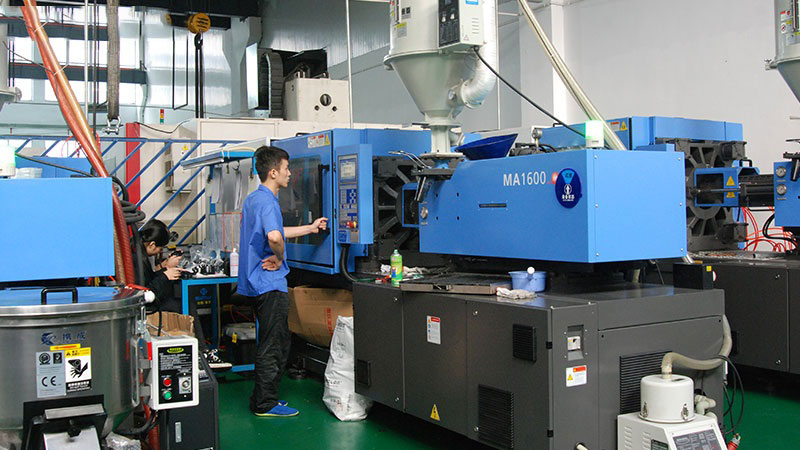
    For overseas buyers, the decision to import molds from China remains one of the most strategic moves to balance quality, innovation, and cost-effectiveness. However, the landscape is evolving rapidly. The old playbook of simply finding the lowest quote online is a direct path to project delays, quality nightmares, and financial loss. As we look toward 2026, professional procurement demands a more sophisticated, verification-heavy approach. This guide cuts through the noise to provide actionable strategies for partnering with reliable mould manufacturers in China, ensuring your investment translates into a flawless production asset.

    The foundation of any successful import project is rigorous supplier verification. Moving beyond Alibaba storefronts is non-negotiable. Start by demanding concrete evidence of capability. A legitimate China mold factory will readily provide a detailed company profile, business licenses, and, most importantly, a portfolio of past work for international clients, preferably in your industry. Utilize video conferencing to request a real-time virtual factory tour; observe the workshop floor, the types of machinery (E.g., CNC, EDM), and the working environment. Third-party verification platforms can provide audit reports on a supplier’s legal status, manufacturing capacity, and reputation. Remember, in 2026, transparency is the first filter. A manufacturer unwilling to open its doors virtually likely has something to hide.

    Once a shortlist of potential partners is established, the focus shifts to technical and commercial clarity, particularly for injection mold projects. The precision required here is immense. Your Request for Quotation (RFQ) must be exceptionally detailed. It should include not just part drawings (preferably 3D STEP files) but also specifications for mold steel (such as S136, P20, or H13), cavity number, expected cycle life, surface finish requirements (SPI standards), and tolerances. Clearly state your expectations for mold flow analysis reports before manufacturing begins. This step is critical for preventing costly design flaws. When quotes arrive, analyze them line by line. Be wary of prices that seem too good to be true—they often indicate substandard materials, lack of engineering review, or hidden costs that will appear later. A professional mould manufacturer in China will ask numerous clarifying questions about your application, which is a strong positive signal.

    The most significant point of leverage you have is implementing staged payments linked to quality control milestones. A standard 50% deposit, 50% before shipment terms offers you little protection. Negotiate a payment schedule such as 30% upon order confirmation, 40% after First Article Inspection (FAI) and approval of sample parts, and 30% upon final shipment. This ties cash flow to demonstrable progress and quality. The FAI stage is crucial. It involves a comprehensive inspection of the first samples off the mold, using Coordinate Measuring Machine (CMM) reports to verify critical dimensions against your CAD data. You should either have your own QC agent in China or hire a reputable third-party inspection service to conduct this on-site. They will check for defects, surface finish, and part functionality. Do not approve final payment until you are fully satisfied with the sample report and the agreed-upon mold testing cycle has been successfully completed.

    Managing logistics and protecting your intellectual property (IP) are the final, critical pillars. For logistics, understand Incoterms clearly. FOB (Free On Board) is common, giving you control over shipping and insurance once the mold leaves the Chinese port. Ensure the mold is properly crated for ocean freight to prevent damage. On the IP front, a robust Non-Disclosure Agreement (NDA) is the starting point, but it must be enforceable in China. Work with legal counsel to draft a contract that includes clear IP ownership clauses, non-compete terms, and jurisdiction for dispute resolution. For sensitive projects, consider splitting the mold manufacturing between different shops or having core components made separately. A trustworthy partner will respect IP concerns and have established protocols for client confidentiality.

    The journey of procuring from mould manufacturers in China in 2026 is defined by diligence, clear communication, and proactive quality management. It is a partnership, not just a transaction. By investing time in thorough supplier verification, demanding technical rigor, tying payments to QC milestones, and securing your assets, you transform the inherent complexities of overseas procurement into a competitive advantage. The goal is to move from being a one-time buyer to a valued long-term partner for a capable China mold factory. This professional approach minimizes risk and ensures that the injection mold or tooling you receive is not just a cost, but a durable engine for your product’s quality and market success.

    Work With Us

    As a professional China mold manufacturer, we provide one-stop mold solution for overseas buyers.
    📞 Phone: +86-18605944639
    💬 WhatsApp: +8618605944639
    🌐 Website: bestmoldworks.com
    📧 Email: [email protected]

  • how to make custom plastic parts: Complete Procurement 2026

    For engineers, product developers, and procurement specialists worldwide, the journey of how to make custom plastic parts is fundamentally linked to mastering global supply chains. As we look toward 2026, China remains a pivotal hub for precision tooling and high-volume production. However, the landscape is evolving, with a greater emphasis on technological integration, transparent partnerships, and risk-mitigated procurement. This guide provides a professional, actionable framework for overseas buyers to navigate this complex process successfully, ensuring you secure not just a cost-effective mold, but a reliable manufacturing partnership that delivers quality parts consistently.

    The foundation of creating any custom plastic component is the injection mold. This precision tool represents your most critical investment and dictates the quality, consistency, and per-part cost of your entire production run. For overseas buyers, the challenge lies not in finding a China mold factory, but in identifying the right one from thousands of options. The 2026 procurement playbook moves beyond simple price comparison to a holistic evaluation of capability, communication, and process control. A successful project hinges on a meticulously managed sequence: defining your part, verifying your supplier, engineering the tool, and implementing rigorous quality control from the first sample to full production.

    Your procurement process must begin with impeccable part definition. Ambiguity at this stage is the primary cause of delays, cost overruns, and tool rework. Provide potential suppliers with a comprehensive package including 3D CAD files (STEP or IGS format), fully detailed 2D drawings with critical dimensions and tolerances clearly marked, and a specification document. This document should state the intended plastic material, expected annual volumes, cosmetic requirements (e.g., texture, gloss level), and part function. Investing in a Design for Manufacturability (DFM) analysis from your shortlisted suppliers is non-negotiable. A professional China mold factory will provide DFM feedback that optimizes wall thickness, draft angles, and gate locations, potentially saving thousands in tool modifications and production inefficiencies. This collaborative engineering phase is the first real test of a supplier’s expertise and proactive communication.

    Supplier verification has evolved dramatically. While platforms like Alibaba provide a starting point, due diligence for 2026 requires a multi-layered approach. Scrutinize the factory’s core competency: do they specialize in molds similar to yours in size, complexity, and industry (medical, automotive, consumer electronics)? Request and verify a portfolio with case studies. Essential credentials include IATF 16949 for automotive or ISO 13485 for medical-grade parts. The most critical step, when feasible, is a virtual or in-person audit. Use video calls for a real-time factory tour, inspecting mold machining centers (like DMG Mori or Makino), EDM equipment, and their injection molding shop for trial runs. Request contact information for existing overseas clients and follow up. Furthermore, assess their project management structure: who will be your single point of contact? Do they use professional software for tracking milestones and sharing progress reports? Transparent communication channels are as vital as technical skill.

    The technical procurement phase centers on the mold build contract. A professional quotation should break down costs for mold design, materials (pre-hardened steel, H13, S136, etc.), cavity count, expected lifespan, and all ancillary costs like trial runs and shipping. Clearly define the mold trial and sampling process. You should expect and plan for a First Article Inspection (FAI) report, including CMM data for critical dimensions, along with physical samples from the T1 trial. The agreement must specify the number of included trial sessions and the process for engineering changes. Payment terms should be staged—typically 30-50% to commence, 40% after approval of T1 samples, and the balance before shipment. Never pay 100% upfront. This structured financial approach aligns incentives and provides leverage to ensure quality standards are met.

    Implementing a robust quality control framework from the outset is what separates successful long-term buyers from those who encounter costly failures. Your quality plan should be agreed upon before the mold steel is cut. This includes defining which critical dimensions will be measured with CMM, the use of optical comparators for profile checks, and the standards for cosmetic inspection. For ongoing production, specify the Statistical Process Control (SPC) data you require, such as Cp/Cpk reports for key dimensions. Partnering with a reliable third-party quality inspection service in China for pre-shipment inspections during initial production runs is a wise investment. They can verify part dimensions, assembly, and cosmetic standards independently, providing an objective layer of oversight before parts are shipped overseas. This proactive quality control strategy mitigates the risk of receiving non-conforming parts at your warehouse.

    Mastering how to make custom plastic parts through Chinese supply chains in 2026 is a disciplined exercise in strategic partnership and technical oversight. The goal is to transform a geographically distant operation into a transparent and reliable extension of your own production. By meticulously defining your requirements, conducting thorough supplier verification, structuring a clear technical procurement contract, and enforcing a rigorous quality control protocol from day one, you significantly de-risk the process. The most cost-effective mold is not the cheapest initial quote, but the one that produces high-quality parts efficiently over its entire lifespan, supported by a factory that communicates proactively and stands behind its work. Embrace this comprehensive approach to build a supply chain foundation that delivers innovation, quality, and value for years to come.

    Work With Us

    As a professional China mold manufacturer, we provide one-stop mold solution for overseas buyers.
    📞 Phone: +86-18605944639
    💬 WhatsApp: +8618605944639
    🌐 Website: bestmoldworks.com
    📧 Email: [email protected]

  • custom silicone mold maker: Best Suppliers & Quality C 2026

    For overseas buyers and product developers, sourcing a reliable custom silicone mold maker is a critical step in bringing innovative designs to market efficiently and cost-effectively. China remains the global epicenter for mold manufacturing, offering unparalleled expertise, scalability, and competitive pricing. However, navigating this vast market to identify the best suppliers and ensure impeccable quality requires a strategic, informed approach. This guide for 2026 provides actionable insights to streamline your procurement process, mitigate risks, and build successful partnerships with top-tier China mold factories.

    Conducting Thorough Supplier Verification and Capability Assessment

    The foundation of a successful import project is a rigorously vetted supplier. Moving beyond basic Alibaba listings is essential. Start by identifying manufacturers with demonstrable experience in silicone-specific tooling. Silicone injection molding and compression molding have unique requirements distinct from rigid plastic injection mold processes. Scrutinize their portfolio for projects similar in complexity, size, and application to yours. Essential verification steps include requesting business licenses, visiting the factory virtually via detailed video tour, and obtaining references from past international clients. For 2026, leveraging professional third-party verification services that assess a factory’s financial health, production capacity, and legal standing is a highly recommended best practice. This initial due diligence filters out intermediaries and unqualified workshops, connecting you directly with capable production partners.

    Mastering the Technical Communication and Prototyping Phase

    Clear technical communication is the single greatest factor in preventing costly errors. Once you have shortlisted a potential custom silicone mold maker, the prototyping phase becomes your most valuable tool. Provide comprehensive, dimensioned 3D drawings (STEP or IGS files are preferred) and clearly specify the silicone material grade (e.g., food-grade, medical-grade, high-temperature resistance) and desired Shore hardness. A professional China mold factory will analyze your design for manufacturability, suggesting draft angles, optimal parting lines, and venting solutions to avoid air traps. Insist on producing a first-article prototype or a 3D-printed mold sample for functional and dimensional testing before committing to full production tooling. This iterative process, though requiring an initial investment, saves substantial time and cost by ensuring the final mold meets all specifications and performance criteria.

    Implementing a Robust Quality Control Framework from Start to Finish

    Quality cannot be inspected into a product; it must be built into the process. Proactive quality control is non-negotiable. Define your critical-to-quality parameters upfront in a detailed technical agreement. This should cover mold steel grade (such as NAK80 or S136 for corrosion resistance), surface finish specifications (SPI standards), tolerance levels, and expected mold lifespan (number of cycles). Schedule key inspection milestones: a pre-production inspection of the mold steel material certificates, an in-process inspection during mold machining (often via photos or video), and a First Article Inspection (FAI) once the mold is complete and sample parts are produced. For high-volume or critical applications, hiring a local third-party quality control agency to conduct an on-site Tool Tryout Report (TTR) is a wise investment. This hands-on verification ensures the mold functions correctly in the press, producing parts that match your approved prototype.

    Navigating Logistics, IP Protection, and Long-Term Partnership

    Securing a perfect mold is only part of the journey. Address logistics and intellectual property protection early in negotiations. Clarify incoterms (EXW, FOB, CIF) to define responsibilities and costs for shipping and insurance. Molds are heavy, precision instruments; ensure proper packaging and insurance coverage are stipulated. Regarding Intellectual Property, a robust Non-Disclosure Agreement (NDA) and a product-specific confidentiality clause in your contract are vital. While China has strengthened IP laws, practical protection lies in working with reputable suppliers and compartmentalizing design information. View your chosen supplier not as a one-time vendor but as a long-term partner. A reliable custom silicone mold maker invested in a lasting relationship is more likely to provide ongoing support, maintenance, and favorable terms for future mold modifications or new projects.

    Conclusion

    Importing high-quality silicone molds from China in 2026 demands a blend of diligent preparation, clear communication, and proactive quality management. By prioritizing thorough supplier verification, mastering the technical and prototyping dialogue, implementing stringent quality control checkpoints, and formalizing logistics and IP terms, overseas buyers can significantly de-risk their procurement process. The goal is to transform the complexity of international sourcing into a competitive advantage, securing not just a tool, but a foundation for product excellence and market success. Partnering with the right China mold factory through this disciplined approach ensures you receive durable, precision tooling that delivers consistent performance, driving your product’s quality and your brand’s reputation forward.

    Work With Us

    As a professional China mold manufacturer, we provide one-stop mold solution for overseas buyers.
    📞 Phone: +86-18605944639
    💬 WhatsApp: +8618605944639
    🌐 Website: bestmoldworks.com
    📧 Email: [email protected]

  • high quality mold: Expert Tips & Solutions 2026 | China Mold Factory

    For overseas buyers, sourcing a high quality mold from China represents a significant strategic advantage, offering unparalleled value and manufacturing capability. However, the path to securing a reliable, precision tool that meets exacting standards is often fraught with challenges. Miscommunication, unclear specifications, and supplier variability can turn a promising procurement project into a costly ordeal. This guide, drawing on 2026 industry insights, is designed to cut through the noise. We provide actionable, professional solutions to help you navigate the Chinese manufacturing landscape with confidence, ensuring your next injection mold procurement is a success.

    The cornerstone of importing a high quality mold is rigorous supplier verification. Moving beyond Alibaba listings and website gloss is non-negotiable. Begin with a deep due diligence process. Request detailed company profiles that include years in operation, core competencies, and client lists—especially any with recognizable international brands. Insist on a virtual or, ideally, an in-person factory audit. A reputable China mold factory will readily arrange this. During the audit, focus on their engineering department, mold trial areas, and quality control stations. Observe the machinery: are their CNC, EDM, and wire-cutting machines modern and well-maintained? Assessing their technical team’s ability to communicate in English and understand GD&T (Geometric Dimensioning and Tolerancing) standards is equally crucial. This step filters out trading companies and under-equipped workshops, directing you to true manufacturing partners.

    Once a qualified supplier is identified, the next critical phase is defining and communicating your specifications with absolute clarity. Ambiguity is the primary enemy of quality. Your Request for Quotation (RFQ) package must be comprehensive. Beyond part drawings, include a formal mold specification sheet detailing mold base standards (DME, HASCO, or MISUMI), steel grade for each component (e.g., P20, H13, S136), surface finish requirements (SPI standards), cooling channel layout, and ejection system design. Specify the expected mold life (number of shots) and the type of injection molding machine it must fit. For complex parts, a Design for Manufacturability (DFM) review is essential. A proficient supplier will analyze your part design, suggest improvements to avoid weak steel, undercuts, or sink marks, and provide feedback before any steel is cut. This collaborative engineering approach is a hallmark of a professional China mold factory and is fundamental to achieving a high quality mold.

    Proactive and structured quality control throughout the manufacturing lifecycle is what separates successful imports from failures. Do not adopt a “wait and see” approach until the final inspection. Implement a milestone-based inspection protocol. Key inspection points typically include: a material certification review for the mold steel, a first article inspection (FAI) of the finished mold cavity and core, and a pre-shipment sample trial with T1 samples produced on their injection molding machines. For critical projects, engage a trusted third-party quality inspection service in China to conduct these checks objectively. They can verify dimensions using CMM (Coordinate Measuring Machine) reports, check surface finishes, and document the molding trial process, including cycle times and part dimensions. This ongoing oversight mitigates risk, ensures adherence to the timeline, and provides leverage for corrections before the mold leaves the factory, securing your investment in a durable injection mold.

    The final, often underestimated, component of a successful partnership is contract and project management. A clear, detailed contract protects both parties. It should explicitly outline the technical specifications, payment terms (e.g., 40% deposit, 50% after T1 sample approval, 10% after shipment), delivery schedule with penalties for delays, intellectual property ownership, and warranty terms—typically 12-18 months covering workmanship and material defects. Assign a dedicated project manager on your side to serve as the single point of contact. Maintain regular update schedules via video calls and shared project management tools. Discuss and agree upon post-sales support upfront: Who will handle mold modifications? What is the process for repairing wear and tear? Establishing these protocols ensures a smooth transition from procurement to production and fosters a long-term, reliable supply relationship.

    Importing molds from China in 2026 demands a shift from simple price sourcing to value-driven partnership building. The journey to securing a high quality mold is systematic: it begins with meticulous supplier verification, thrives on precise technical communication, is secured through relentless quality control, and is sustained by professional project management. By implementing these expert solutions, you transform the inherent complexities of overseas procurement into a competitive edge. The goal is not just to buy a tool, but to forge an alliance with a China mold factory that delivers precision, reliability, and value, project after project, ensuring your manufactured products meet the highest global standards.

    Work With Us

    As a professional China mold manufacturer, we provide one-stop mold solution for overseas buyers.
    📞 Phone: +86-18605944639
    💬 WhatsApp: +8618605944639
    🌐 Website: bestmoldworks.com
    📧 Email: [email protected]

  • create custom moulds: Ultimate Guide for Buyers 2026

    For businesses worldwide, the decision to create custom moulds is a pivotal step in product development, offering unparalleled design freedom and cost efficiency. China remains the global epicenter for mold manufacturing, combining advanced technological capabilities with scalable production. However, navigating this complex landscape as an overseas buyer presents distinct challenges, from supplier verification to ensuring consistent quality. This guide for 2026 cuts through the noise to provide a professional, actionable framework for your procurement journey, helping you mitigate risks and secure a successful partnership with a reputable China mold factory.

    Mastering the Initial Specification and Quotation Phase

    A successful project begins with crystal-clear communication. Ambiguity in technical specifications is the primary cause of cost overruns and delays. Before engaging suppliers, invest time in developing comprehensive documentation. This should include detailed 3D CAD files (STEP or IGS format), 2D drawings with critical tolerances and surface finish requirements, material specifications for both the mold and the final product, and expected production volume. When you request quotes, provide this identical package to multiple shortlisted suppliers. A precise brief allows for accurate comparisons; wildly differing quotes often signal a misunderstanding of your requirements rather than a cost advantage. Clearly state your expectations for mold life, maintenance, and whether you require a fully tested injection mold with sample parts before shipment. This disciplined approach sets a professional tone and filters out suppliers incapable of handling complex projects.

    Executing Rigorous Supplier Verification and Selection

    The term “China mold factory” encompasses a vast spectrum, from rudimentary workshops to fully automated, ISO-certified facilities. Verification in 2026 goes beyond Alibaba storefronts. Start with a deep due diligence process: verify business licenses, request and contact past overseas client references, and scrutinize their portfolio for projects similar in complexity and industry to yours. Utilize video calls to conduct virtual factory tours; insist on seeing their machining centers (like CNC, EDM), quality control labs, and assembly areas. Assess their engineering capability by discussing your project’s potential challenges—a competent partner will proactively engage on gating, cooling, and ejection strategies. Remember, you are not just procuring a tool; you are selecting a technical partner. Prioritize suppliers with proven experience in export, who understand the criticality of documentation, intellectual property protection, and international logistics.

    Implementing Proactive Quality Control and Communication Protocols

    Passive hope is not a strategy for quality. Implementing a structured quality control plan from the outset is non-negotiable. Define key inspection stages: First Article Inspection (FAI) after core and cavity machining, Trial Run Inspection with sample parts, and Pre-Shipment Inspection. Specify the use of Coordinate Measuring Machines (CMM) reports for critical dimensions. For high-value molds, engaging a local third-party quality inspection agency in the supplier’s region for critical checkpoints is a wise investment. Furthermore, establish fixed communication rhythms. Schedule weekly update meetings with shared agendas and documented minutes. Use collaborative platforms for sharing progress photos, videos, and inspection reports. A professional China mold factory will welcome this structured engagement as it aligns expectations and prevents costly last-minute surprises. Effective procurement hinges on transparency, not just transaction.

    Navigating Logistics, IP Protection, and Post-Sales Support

    The process does not end when the mold is manufactured. Secure a clear Incoterm (e.g., FOB, EXW) that defines responsibilities for shipping, insurance, and customs clearance. Ensure the supplier provides a detailed packing list and commercial invoice for smooth customs processing in your country. Regarding Intellectual Property, a robust Non-Disclosure Agreement (NDA) is essential, but consider supplementing it with contractual clauses that stipulate all design data must be deleted post-project. For ongoing production, clarify post-sales support terms. What is the warranty period for the injection mold? How are repair costs and lead times handled for wear and tear? Understanding these elements upfront prevents disputes and ensures a long-term, reliable source for your production needs.

    Conclusion

    To create custom moulds in China successfully in 2026 demands a shift from a simple purchasing mindset to one of strategic partnership management. The landscape is mature, and competitive advantage is secured not by finding the cheapest supplier, but by identifying the most competent and transparent partner. By meticulously defining your requirements, conducting exhaustive supplier verification, enforcing rigorous quality control, and planning for the full lifecycle of the mold, you transform a complex international procurement challenge into a streamlined, reliable pillar of your supply chain. This disciplined approach empowers you to leverage China’s manufacturing excellence fully, turning your innovative product designs into market-ready reality with confidence and precision.

    Work With Us

    As a professional China mold manufacturer, we provide one-stop mold solution for overseas buyers.
    📞 Phone: +86-18605944639
    💬 WhatsApp: +8618605944639
    🌐 Website: bestmoldworks.com
    📧 Email: [email protected]