For overseas buyers, importing molds from China represents a significant strategic advantage, offering unparalleled cost efficiency, advanced manufacturing capabilities, and rapid production scalability. However, navigating this complex landscape requires more than just finding the lowest quote. The journey from concept to a high-quality, production-ready mold in your facility demands meticulous planning, expert verification, and clear communication. This professional guide for 2026 is designed to equip you with actionable, real-world strategies to identify, vet, and collaborate with a top-tier **China mold manufacturer**, transforming a potentially risky procurement process into a reliable and profitable supply chain pillar.
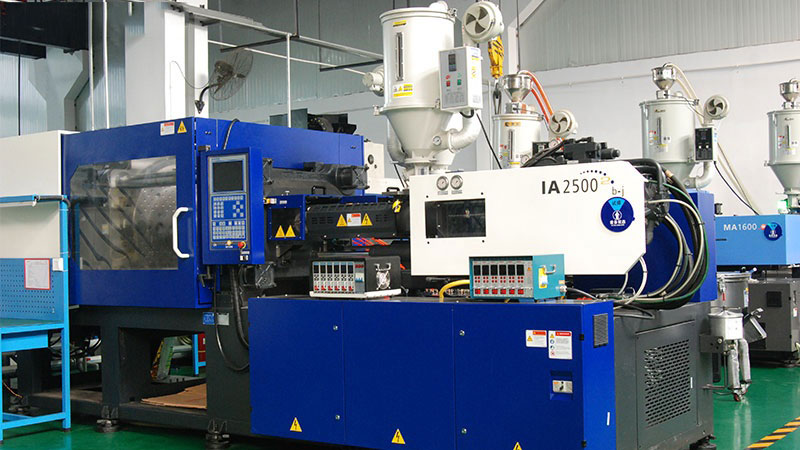
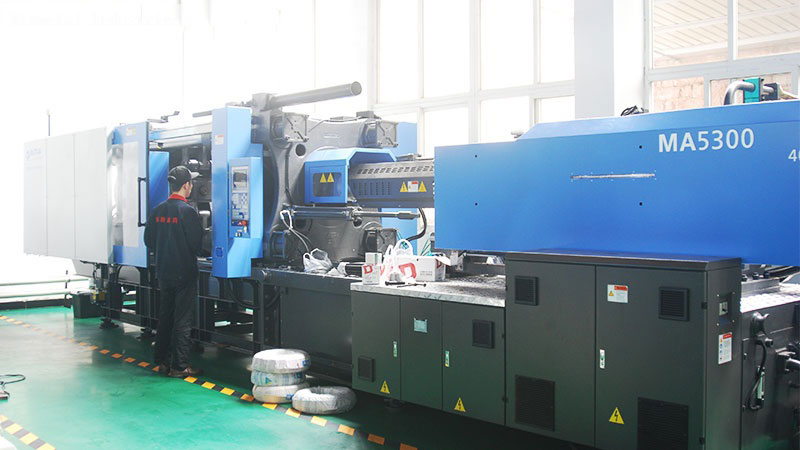
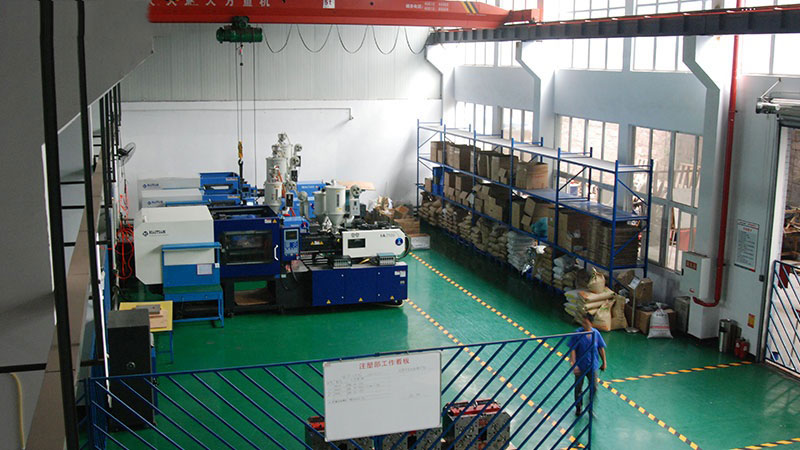
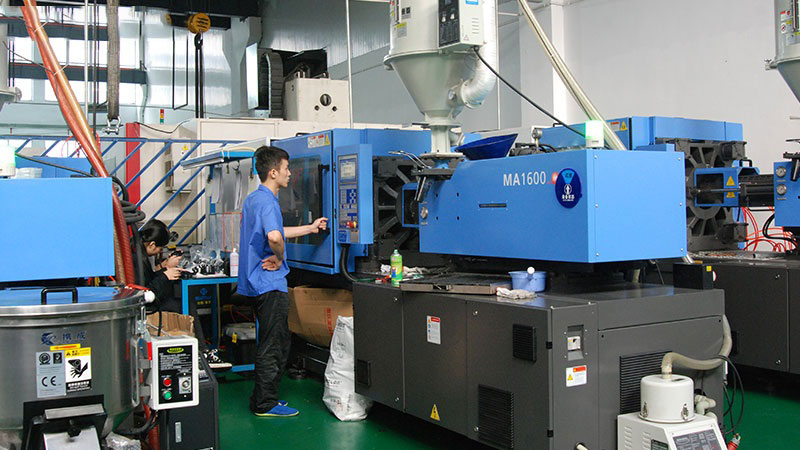
The cornerstone of successful procurement begins long before you request a quotation. Comprehensive supplier verification is your first and most critical line of defense. In 2026, due diligence extends beyond a basic website check. Start by leveraging professional B2B platforms like Made-in-China.com or Global Sources, but use them as a starting point for deeper investigation. Request detailed company profiles, including business licenses (verified via official Chinese channels), years in operation, and ownership structure. Crucially, insist on a virtual factory tour via video call. A reputable **China mold factory** will readily showcase their workshop, allowing you to assess the condition and brands of their machinery (e.g., DMG Mori, Sodick, Haitian injection molding machines), their 5S/6S workshop management, and the technical team’s workflow. Furthermore, ask for and contact specific past clients, preferably in your region or industry. Authentic references are invaluable for gauging reliability, communication effectiveness, and post-sales support.
Once you have a shortlist of qualified potential partners, your focus must shift to technical and commercial clarity to prevent costly misunderstandings. The precision of your Request for Quotation (RFQ) package directly influences the accuracy and comparability of the bids you receive. This package must include a fully detailed 3D product design (STEP or IGS format), 2D drawings with critical dimensions, tolerances (geometric dimensioning and tolerancing is ideal), surface finish requirements (SPI standards), and the intended material (e.g., POM, ABS, PP). Specify the expected mold life (e.g., 500,000 shots) and the type of **injection mold** (e.g., two-plate, hot runner, multi-cavity). For the commercial terms, demand a transparent, line-item breakdown covering mold base steel (e.g., pre-hardened 718H vs. hardened S136), cavity/core steel, standard components (brands like HASCO or DME), hot runner system (brand choice), number of trial shots included, and payment terms. A professional manufacturer will provide this detail, while a vague quote often signals future hidden costs.
Managing quality control remotely is the single greatest concern for overseas buyers, and in 2026, technology and process are your allies. Define a clear, milestone-based inspection protocol with your chosen **china mold manufacturer** before contract signing. This should include a First Article Inspection (FAI) report for the mold design, raw material certification for the steel, and in-process photos of key stages like EDM texturing, polishing, and assembly. The most critical phase is the Trial Run Report (TTR). Stipulate that the factory must conduct a formal mold trial, producing sample parts under stable process parameters. They should provide a comprehensive report including high-resolution photos and videos of the trial, samples shipped to you for dimensional and functional verification, and a detailed data sheet of the injection parameters used. For high-value projects, consider engaging a reputable third-party quality inspection firm based in China for an independent Designated Process Inspection (DPI) during the final assembly or pre-shipment stage.
The final stage of procurement—logistics, intellectual property (IP) protection, and long-term partnership—determines the enduring value of your investment. For logistics, understand Incoterms 2020 thoroughly; FOB Shenzhen is common, giving you control over shipping and insurance. Ensure the mold is properly crated for ocean freight to prevent damage. Regarding IP, while a formal NNN Agreement (Non-Use, Non-Disclosure, Non-Circumvention) is essential, practical protection is also built into your process. Consider splitting the mold design work, keeping the final, critical 3D files, and only sharing the necessary 2D drawings for manufacturing. View a successful first project as the foundation for a strategic partnership. A reliable supplier becomes an extension of your R&D team, offering design for manufacturability (DFM) feedback and support for future mold maintenance, repairs, and modifications, ensuring the longevity of your tooling investment.
Importing molds from China in 2026 is a sophisticated process that rewards preparation, professional diligence, and proactive communication. By rigorously verifying suppliers, creating impeccably clear technical specifications, implementing a technology-enabled quality control regime, and securing your investment through smart logistics and IP strategies, you mitigate the inherent risks of offshore procurement. The goal is not merely to purchase a tool but to establish a collaborative relationship with a capable **China mold manufacturer**. This guide provides the framework to move beyond price-focused sourcing and build a resilient, quality-driven supply chain that delivers competitive advantage for years to come. Your success hinges on treating mold procurement as a critical engineering project—one where the right partner, chosen with care and managed with expertise, is the key to unlocking world-class manufacturing potential.
Work With Us
As a professional China mold manufacturer, we provide one-stop mold solution for overseas buyers.
📞 Phone: +86-18605944639
💬 WhatsApp: +8618605944639
🌐 Website: bestmoldworks.com
📧 Email: [email protected]